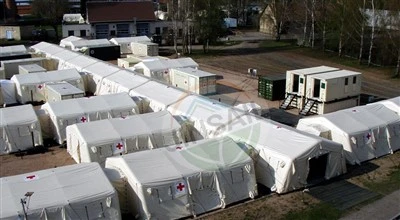


What is Inflatable Command Tent?
An inflatable command tent is a portable and versatile structure designed for military or emergency response operations. This innovative tent is constructed using inflatable technology, allowing for rapid deployment and easy setup in diverse environments. The tent's inflatable framework provides stability and durability while ensuring a quick and efficient assembly process. These tents are often equipped with advanced features such as climate control, integrated power systems, and communication infrastructure, making them ideal for use as command centers during field operations.
Advantages of Inflatable Command Tent
Rapid deployment
One of the primary advantages of an inflatable command tent is its ability to be quickly deployed in emergency situations or military operations. The inflatable design allows for swift setup, enabling response teams to establish a command center promptly, which is crucial for effective decision-making and coordination.
Portability and compact storage
Inflatable command tents are highly portable and can be easily transported to various locations. When deflated, these tents occupy minimal space, making them suitable for transportation by air, land, or sea. This portability enhances the mobility of military or emergency response units, allowing them to adapt to dynamic situations.
Versatility in environments
The inflatable structure of these tents provides adaptability to different terrains and environmental conditions. Whether in urban settings, remote areas, or challenging landscapes, the tents can be set up efficiently, providing a stable and secure command center. This versatility ensures that response teams can effectively operate in diverse scenarios.
Integrated features
Inflatable command tents often come equipped with integrated features such as climate control, lighting, and communication systems. These amenities enhance the functionality of the command center, creating a conducive environment for decision-making and coordination. The self-sufficiency of these tents reduces the reliance on external infrastructure, making them a comprehensive solution for operational needs.


Why Choose Us?
High quality
Our products are manufactured or executed to very high standards, using the finest materials and manufacturing processes.
Rich experience
Dedicated to strict quality control and attentive customer service, our experienced staff is always available to discuss your requirements and ensure complete customer satisfaction.
Quality control
We have professional personnel to monitor the production process, inspect the products and ensure that the final product meets the required quality level standards, guidelines and specifications.
24h online service
We try and respond to all concerns within 24 hours and our teams are always at your disposal in case of any emergencies.
Types of Inflatable Command Tent
Standard inflatable command tents
These are the basic inflatable tents designed for general use in various situations. They typically feature a quick-inflation system, durable materials, and a versatile layout. Standard inflatable command tents serve as a fundamental and adaptable solution for establishing command centers in different environments.
Mobile inflatable command centers
Specifically designed for mobility, these tents are equipped with features such as wheels or a trailer system, allowing them to be easily transported to different locations. Mobile inflatable command centers are ideal for rapid response teams that need to quickly set up operational bases in multiple areas during emergencies or military operations.
Inflatable tactical shelters
Geared towards military applications, inflatable tactical shelters are designed to provide a secure and controlled environment for command and control operations. These tents often include advanced features such as ballistic resistance, camouflage capabilities, and integrated technology for communication and surveillance, catering to the specific needs of military deployments.
Emergency response inflatable shelters
Tailored for disaster relief efforts and emergency response teams, these tents are designed to provide a quick and efficient solution in crisis situations. They often come with features like climate control, lighting, and medical facilities, allowing for the establishment of temporary command posts in disaster-stricken areas, facilitating coordination and aid distribution.
How to Choose Inflatable Command Tent
Size and capacity
Consider the size of the inflatable command tent based on the intended use and the number of personnel it needs to accommodate. Ensure that the tent provides sufficient space for command and control activities, equipment storage, and any additional functions required during operations.
Durability and weather resistance
Evaluate the durability of the inflatable command tent, especially considering the environmental conditions it may encounter. Look for tents constructed with robust materials that are resistant to wear, tear, and adverse weather conditions. A tent with features like uv resistance, waterproofing, and stability in varying terrains ensures its reliability and longevity in different operational scenarios.
Ease of deployment and transportation
Assess the ease and speed of deploying the inflatable tent, as quick setup is often crucial in emergency or military situations. Look for tents with user-friendly inflation systems and mechanisms that facilitate rapid deployment. Additionally, consider the portability of the tent-whether it can be easily transported by various means, such as air, land, or sea, to ensure adaptability to different deployment scenarios.
Integrated features and customization
Consider the specific needs of your command and control operations and choose a tent that offers integrated features to meet those requirements. This may include climate control systems, lighting, communication infrastructure, and other technology features.
How to Use Inflatable Command Tent
Begin by selecting an appropriate site for setting up the inflatable command tent. Choose a level and stable surface to ensure proper inflation and stability. Clear the area of any debris or obstacles that could potentially damage the tent during setup. Pay attention to factors such as access to utilities, security, and visibility, as they contribute to the overall effectiveness of the command center.
Follow the manufacturer's guidelines and instructions for inflating and setting up the tent. Typically, these tents come with user-friendly inflation systems, which may involve using an electric pump or other inflation mechanisms. Ensure that all sections of the tent are properly inflated, and secure any anchoring points to the ground for stability. Familiarize yourself with the tent's layout and configuration, placing an emphasis on key areas like the command post, communication hub, and equipment storage.
Once the inflatable command tent is set up, integrate necessary equipment and technology. This may include communication systems, lighting, climate control units, and any other specific tools required for command and control operations. Verify that all integrated features are functioning properly and are configured to meet the operational needs of the command center.
Regularly inspect the inflatable command tent during operations to identify and address any issues promptly. Maintain cleanliness and order within the tent to create a conducive working environment. When the mission or operation is complete, follow the recommended procedures for decommissioning the tent. Deflate the structure, disconnect integrated systems, and ensure all equipment is properly stored.
Application of Inflatable Command Tent
Inflatable command tents find extensive application in military operations, serving as mobile and rapidly deployable command centers. These tents are designed to meet the specific needs of military forces, providing a secure and organized space for command, control, and coordination. Their portability allows military units to establish operational bases quickly in diverse terrains and environments.
Inflatable command tents play a crucial role in emergency response and disaster relief efforts. When natural disasters or emergencies occur, these tents can be rapidly deployed to serve as command posts for coordinating rescue operations, providing medical assistance, and managing relief efforts. The quick setup and mobility of inflatable tents make them valuable assets in dynamic and challenging situations.
Inflatable command tents are often utilized as field hospitals or medical facilities in remote or disaster-affected areas. Their adaptable and portable nature allows for the swift establishment of medical command centers, providing a controlled environment for medical personnel to deliver essential healthcare services, triage patients, and coordinate medical response efforts.
These tents are suitable for use in temporary command centers during large-scale events, such as festivals, sporting events, or public gatherings. Inflatable command tents can serve as operational hubs for event organizers, security personnel, and emergency services, facilitating efficient communication and coordination to ensure the safety and smooth execution of the event.

How to Install Inflatable Command Tent
Site preparation:Begin by selecting a suitable location for the inflatable command tent. Ensure the chosen site is level, free from sharp objects, and provides ample space for the fully inflated tent. Clear the area of debris, rocks, or any potential hazards that could damage the tent. If anchoring points are required, identify and prepare these locations on the ground.
Inflation process:Follow the manufacturer's instructions for inflating the command tent. Typically, inflatable tents come with user-friendly inflation systems, such as electric pumps or air blowers. Connect the inflation system to the tent, and start the inflation process. Monitor the tent's structure as it inflates, ensuring that all sections are properly filled with air. Take care not to overinflate, as this can put unnecessary stress on the material.
Secure anchoring:Once the tent is fully inflated, secure it to the ground using the provided anchoring points. Depending on the design of the inflatable command tent, this may involve staking the tent down or using other anchoring mechanisms. Properly securing the tent is essential to ensure stability, especially in windy conditions. Follow the manufacturer's recommendations for anchoring to maintain the structural integrity of the tent.
Integration of features:After securing the tent, integrate any necessary features or equipment. This may include setting up the command post, installing communication systems, arranging furniture, and configuring lighting or climate control. Ensure that all integrated components are functioning correctly and are arranged according to the planned layout. Familiarize yourself with the tent's interior to optimize its functionality for command and control purposes.
Things to Note When Using Inflatable Command Tent
Weather conditions
Pay close attention to weather conditions when using an inflatable command tent. While these tents are designed to withstand various environments, extreme weather conditions such as strong winds, heavy rain, or extreme temperatures may affect their stability and performance. Consider weather forecasts and take necessary precautions, such as anchoring the tent securely, to ensure its resilience in adverse conditions.
Maintenance and inspections
Regularly conduct inspections and maintenance checks on the inflatable command tent during prolonged use. Look for any signs of wear, damage, or potential issues with the inflation system. Address any issues promptly to prevent further damage and ensure the tent's reliability. Regular maintenance contributes to the longevity of the tent and its optimal performance in the field.
Proper anchoring
Ensure that the tent is securely anchored to the ground, especially in outdoor settings. Proper anchoring is essential for stability, preventing the tent from being displaced by strong winds or other external forces.
Adherence to weight capacities
Be mindful of the weight capacities specified by the manufacturer for the inflatable command tent. Avoid exceeding these limits to prevent structural damage or compromised stability. Consider the weight of integrated equipment, furniture, and personnel when setting up the tent.
Components of Inflatable Command Tent
Inflatable frame
The primary structural component of an inflatable command tent is the inflatable frame. This frame is typically made of durable and flexible materials, such as reinforced pvc or other high-strength fabrics. The inflatable frame provides the structural support and rigidity to the tent when filled with air, giving it the necessary stability to withstand various environmental conditions.
Inflation system
An integral component of the inflatable command tent is the inflation system. This system consists of an air pump or blower that is used to inflate the tent's frame rapidly. The inflation system is designed for ease of use, allowing quick deployment of the tent. It may include features such as pressure control to ensure the tent is properly inflated without overinflation.
Outer shell fabric
The outer shell fabric forms the exterior covering of the inflatable command tent. This fabric is chosen for its durability, resistance to wear and tear, and weatherproof properties. It acts as a protective layer, shielding the interior of the tent from the elements. Many inflatable tents use materials that are uv-resistant and waterproof to enhance their performance in outdoor settings.
Integrated features
Inflatable command tents often come equipped with integrated features to enhance their functionality. These features may include climate control systems, lighting fixtures, communication infrastructure, and modular interior layouts. Integrated features contribute to the versatility of the tent, allowing it to serve as a fully functional command center with the necessary amenities for different operational needs.
Regular cleaning and inspection
Perform regular cleaning of the inflatable command tent to remove dirt, dust, and other debris. Inspect the tent's surface for any signs of wear, punctures, or damage. Regular inspections help identify potential issues early on and prevent them from escalating.
Proper deflation and storage
When the inflatable command tent is no longer in use, follow the manufacturer's guidelines for proper deflation and storage. Ensure that the tent is deflated completely, paying attention to all sections of the inflatable frame. Store the tent in a cool, dry environment to prevent mold or mildew growth. Properly folded and stored tents maintain their structural integrity and are ready for quick deployment when needed.
Check and maintain inflation system
Regularly check the components of the inflation system, including the air pump or blower. Ensure that the inflation system is in good working condition and free from any damage. A well-maintained inflation system is crucial for the rapid and reliable deployment of the tent.
Address repairs promptly
If any damage or punctures are detected during inspections, address repairs promptly. Most inflatable command tents come with repair kits that include patches and adhesive solutions.
Working Principle of Inflatable Command Tent
The working principle of an inflatable command tent is based on its inflatable frame technology. The tent is equipped with an integrated inflation system, typically comprising an air pump or blower. When deployed, the tent's deflated frame is laid out on the desired site, and the inflation system is activated. The air pump rapidly fills the inflatable frame with air, causing it to expand and take shape, forming a sturdy and stable structure. This inflatable frame, usually made from durable materials, provides the necessary support for the tent's outer shell. Once fully inflated, the tent becomes a reliable and portable command center, offering a quick and efficient solution for military operations, emergency responses, and other field activities.
Material of Inflatable Command Tent
Inflatable command tents are typically constructed using durable and high-strength materials to ensure their resilience in diverse operational environments. The primary material for the inflatable frame is often reinforced pvc (polyvinyl chloride) or other robust synthetic fabrics, chosen for their flexibility, strength, and resistance to wear. The outer shell fabric, which forms the tent's exterior, is designed to be weather-resistant and may include features such as uv protection and waterproofing. These materials contribute to the tent's ability to withstand varying weather conditions, provide stability, and ensure a long lifespan.
How Does the Inflation System of an Inflatable Command Tent Work
Electric pump or blower activation
The inflation system of an inflatable command tent typically involves the use of an electric pump or blower. This component is activated to initiate the inflation process. Electric pumps are designed for efficiency and speed, allowing rapid deployment of the tent.
Rapid air filling
Once activated, the electric pump or blower rapidly fills the inflatable frame of the tent with air. The frame is constructed from durable materials such as reinforced pvc, which expand and take shape as they receive the air. This inflation process is quick, enabling the tent to reach its full structural integrity within a short period.
Pressure control mechanism
Many inflatable command tents incorporate a pressure control mechanism to ensure that the tent is inflated to the optimal level. This mechanism prevents overinflation, which could compromise the structure or durability of the tent. Maintaining the correct air pressure is crucial for stability and the overall functionality of the tent.
Stabilization and anchoring
Once fully inflated, the tent's frame provides a stable structure for the outer shell. Anchoring points, such as stakes or other secure mechanisms, are used to anchor the tent to the ground. This ensures that the inflatable command tent remains stable, even in challenging environmental conditions, and is ready for use as a reliable command center for various operational needs.
Are There Specific Weight Limitations for Inflatable Command Tents
Manufacturer's specifications
Each inflatable command tent model typically comes with specific weight limitations outlined by the manufacturer. These specifications are crucial and should be carefully reviewed and adhered to by users to ensure the tent's structural integrity and performance.
Consideration of integrated features
Weight limitations may vary based on the inclusion of integrated features such as climate control systems, lighting, and communication infrastructure. Users should factor in the combined weight of equipment, furniture, and personnel when setting up the inflatable command tent to avoid exceeding its designated capacity.
Adherence to safety guidelines
Exceeding the weight limitations specified by the manufacturer can compromise the stability and safety of the inflatable tent. Adhering to these guidelines is essential to prevent potential structural damage, maintain proper inflation, and ensure the tent functions optimally in various operational scenarios.
Consultation with experts
In cases where specific operational needs may approach or exceed weight limitations, users should consult with experts or the manufacturer to assess the feasibility and safety of such deployments. This proactive approach helps in determining whether modifications or additional support measures are necessary to accommodate heavier loads without compromising the tent's performance.
What Steps Should be Taken to Properly Anchor an Inflatable Command Tent
Select a suitable site
Choose a level and stable surface for setting up the inflatable command tent. Avoid areas with sharp objects or potential hazards that could puncture or damage the tent during deployment.
Identify and use anchoring points
Determine the designated anchoring points on the tent, typically located at strategic positions around the inflatable frame. Securely anchor the tent to the ground using stakes, sandbags, or other recommended mechanisms provided by the manufacturer.
Consider environmental factors
Take into account environmental factors such as wind conditions. In windy environments, use additional anchoring measures to enhance stability. Follow guidelines provided by the manufacturer for specific anchoring recommendations based on environmental conditions.
Tension and secure guy lines
If the inflatable command tent is equipped with guy lines, ensure they are properly tensioned and securely anchored. Taut guy lines contribute to the overall stability of the tent, especially during adverse weather conditions, preventing swaying or movement that may compromise the structure.
How are Inflatable Command Tents Customized to Meet Specific Operational Needs
Modular design options
Inflatable command tents often feature a modular design that allows for customization based on specific operational needs. This modular approach enables users to configure the interior layout, dividing the space to accommodate various functions such as command posts, communication hubs, and equipment storage.
Integration of specialized features
Manufacturers offer options for integrating specialized features tailored to different operational requirements. These features may include advanced communication systems, climate control units, lighting solutions, and additional technologies to enhance the functionality of the inflatable command tent based on the specific needs of the mission or operation.
Size and capacity variations
Inflatable command tents come in various sizes and capacities, allowing users to select a model that aligns with the scale of their operations. Whether a smaller, more mobile setup or a larger command center is needed, the range of size options provides flexibility to meet specific requirements.
Custom branding and camouflage
In some cases, inflatable command tents can be customized with specific branding or camouflage patterns to suit the operational environment. This customization not only provides a personalized touch but also allows the tent to blend seamlessly into the surroundings, enhancing operational security in military applications.
FAQ
Hot Tags: Inflatable Command Tent Factory, China Inflatable Command Tent Factory manufacturers, suppliers, factory, low impact tent, pop up tent, exploration tent, Negative Pressure Inflatable Tent, usability in tent, size of tent