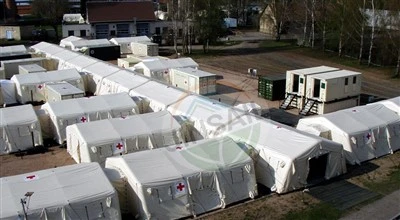


What is Medical Low Pressure Tent?
A medical low pressure tent is a specialized medical apparatus designed to create a controlled environment with reduced air pressure for therapeutic or diagnostic purposes. This tent is typically constructed with materials that allow for the regulation of atmospheric pressure within its confined space. Medical professionals utilize low-pressure tents in various medical scenarios, such as hyperbaric oxygen therapy or altitude simulation studies. These tents play a crucial role in medical research, offering a controlled setting to study the effects of altered atmospheric pressure on the human body and facilitating treatments that require a specific pressure environment.
Advantages of Medical Low Pressure Tent
Hyperbaric oxygen therapy (HBOT)
One significant advantage of medical low pressure tents is their application in hyperbaric oxygen therapy. These tents enable the administration of high concentrations of oxygen in a controlled low-pressure environment, promoting the healing of various medical conditions, including chronic wounds, infections, and certain neurological disorders.
Altitude simulation studies
Medical low pressure tents are valuable tools for conducting altitude simulation studies. By creating a controlled environment with reduced atmospheric pressure, researchers can investigate the physiological responses of the human body to high-altitude conditions. This is particularly useful for understanding altitude-related illnesses and developing strategies to mitigate their effects.
Pulmonary function testing
These tents are employed in pulmonary function testing, allowing healthcare professionals to assess respiratory function under altered pressure conditions. This can aid in the diagnosis and management of respiratory conditions such as chronic obstructive pulmonary disease (copd) and asthma, providing valuable insights into how patients' lungs respond to changes in pressure.
Research and development
Low-pressure tents serve as essential tools in medical research and development, facilitating a controlled setting for studying the impact of altered atmospheric pressure on various physiological processes. This includes exploring potential treatments for conditions affected by pressure changes, contributing to advancements in medical science and therapeutic interventions.


Why Choose Us?
High quality
Our products are manufactured or executed to very high standards, using the finest materials and manufacturing processes.
Rich experience
Dedicated to strict quality control and attentive customer service, our experienced staff is always available to discuss your requirements and ensure complete customer satisfaction.
Quality control
We have professional personnel to monitor the production process, inspect the products and ensure that the final product meets the required quality level standards, guidelines and specifications.
24h online service
We try and respond to all concerns within 24 hours and our teams are always at your disposal in case of any emergencies.
Types of Medical Low Pressure Tent
Hyperbaric oxygen therapy (hbot) chambers
These are specialized medical tents designed for administering hyperbaric oxygen therapy. Hbot chambers provide a controlled environment with increased atmospheric pressure, allowing patients to breathe pure oxygen at higher levels than atmospheric pressure. This therapeutic approach is employed for various medical conditions, including chronic wounds, carbon monoxide poisoning, and certain infections.
Altitude simulation tents
Specifically designed for research and diagnostic purposes, altitude simulation tents create a controlled environment mimicking high-altitude conditions. These tents are used to study the physiological responses of the human body to reduced atmospheric pressure, aiding researchers in understanding altitude-related illnesses and developing strategies to address them.
Pulmonary function testing tents
These tents are utilized in pulmonary function testing to assess and measure respiratory function under altered pressure conditions. Medical professionals use these tents to evaluate lung capacity, airflow, and other respiratory parameters, contributing to the diagnosis and management of respiratory disorders such as chronic obstructive pulmonary disease (copd) and asthma.
Portable low-pressure tents
Designed for versatility and ease of use, portable low-pressure tents are adaptable to various medical settings. These tents can be set up quickly and provide a controlled environment with reduced atmospheric pressure. They find applications in field hospitals, emergency medical situations, and mobile healthcare units, offering a flexible solution for delivering specific treatments or diagnostic procedures outside of traditional medical facilities.
How to Choose Medical Low Pressure Tent
Consider the specific medical applications and treatment goals when choosing a medical low-pressure tent. Different tents are designed for various purposes, such as hyperbaric oxygen therapy (hbot), altitude simulation studies, or pulmonary function testing. Ensure that the chosen tent aligns with the intended medical use and treatment objectives to achieve optimal therapeutic outcomes.
Evaluate the size of the tent in relation to the intended patient population and the space available for installation. Additionally, consider the accessibility features, such as entrance design and patient mobility within the tent. A well-designed tent should accommodate the necessary medical equipment and provide ease of access for healthcare professionals while ensuring patient comfort and safety.
Check the pressure control and monitoring systems incorporated into the tent. These systems play a crucial role in maintaining a controlled and stable pressure environment, which is essential for effective medical treatments. Ensure that the tent is equipped with reliable pressure regulation mechanisms and monitoring devices to guarantee the safety and well-being of the patients undergoing treatment.
Assess the quality of materials used in the construction of the low-pressure tent. The tent should be made from durable and hygienic materials that meet medical standards. Consider factors such as resistance to wear and tear, ease of cleaning, and the ability to withstand repeated use. Choosing a tent with high-quality materials ensures longevity, reduces maintenance requirements, and contributes to the overall safety and efficacy of medical procedures conducted within the tent.
How to Use Medical Low Pressure Tent
Patient preparation
Begin by ensuring that the patient is adequately prepared for the treatment inside the medical low-pressure tent. This may involve explaining the procedure, addressing any concerns or questions the patient may have, and providing appropriate clothing or medical garments. Depending on the type of treatment, patients may need to wear specific attire or remove any items that could interfere with the procedure.
Installation and calibration
Set up the low-pressure tent according to the manufacturer's guidelines and specifications. Ensure that the tent is properly installed and securely sealed to maintain the desired pressure levels. Calibrate the pressure control and monitoring systems to the prescribed parameters for the intended medical treatment. Regularly check and verify the functionality of these systems throughout the treatment session.
Patient monitoring and care
Once the patient is inside the low-pressure tent, continuously monitor their well-being and response to the treatment. Ensure that all medical equipment, such as oxygen delivery systems or monitoring devices, is functioning correctly. Maintain clear communication with the patient during the procedure, addressing any discomfort or concerns promptly. Healthcare professionals should be present to observe and respond to any unexpected situations that may arise during the treatment.
Post-treatment procedures
After completing the medical treatment within the low-pressure tent, follow appropriate post-treatment procedures. This may involve gradually returning the atmospheric pressure inside the tent to normal levels, allowing the patient time to adjust. Assess the patient for any immediate post-treatment effects or complications. Provide post-treatment care instructions, and schedule follow-up appointments as necessary to monitor the patient's recovery and overall health.
Hyperbaric oxygen therapy (hbot)
One primary application of medical low-pressure tents is in hyperbaric oxygen therapy (hbot). These tents create a controlled environment with increased atmospheric pressure, allowing patients to breathe pure oxygen. Hbot is used for various medical conditions, including non-healing wounds, carbon monoxide poisoning, and certain infections, as the elevated oxygen levels promote tissue healing and have antimicrobial effects.
Altitude simulation studies
Medical low-pressure tents are crucial tools in conducting altitude simulation studies. Researchers use these tents to mimic high-altitude conditions, studying the physiological responses of the human body to reduced atmospheric pressure. This application helps in understanding altitude-related illnesses, adapting to high-altitude environments, and developing interventions for individuals who may live or work at elevated altitudes.
Respiratory function testing
Another important application is in pulmonary function testing. Medical low-pressure tents are utilized to assess respiratory function under altered pressure conditions, providing valuable insights into lung capacity, airflow, and other respiratory parameters. This aids in the diagnosis and management of respiratory disorders such as chronic obstructive pulmonary disease (copd) and asthma.
Mobile healthcare and field hospitals
Portable medical low-pressure tents find application in mobile healthcare units and field hospitals. These tents offer a flexible and controlled environment for specific medical treatments or diagnostic procedures in diverse settings. They can be quickly set up, providing a temporary yet effective solution for delivering essential medical care in emergency situations, disaster relief efforts, or remote locations where traditional medical facilities may be limited.
How to Install Medical Low Pressure Tent
Site selection
Choose a suitable location for installing the medical low-pressure tent. Ensure that the site is level, free from potential hazards, and provides adequate space for the tent and associated equipment. Consider factors such as accessibility, ventilation, and proximity to necessary utilities like power sources.
Assembly of frame
Begin by assembling the frame of the low-pressure tent according to the manufacturer's instructions. Most medical low-pressure tents are designed with lightweight and durable materials that allow for easy setup. Follow the step-by-step guidelines provided by the manufacturer to securely connect the frame components, ensuring stability and structural integrity.
Tent fabric installation
Once the frame is in place, carefully install the tent fabric or covering. Ensure that the fabric is correctly aligned and securely attached to the frame. Pay attention to any zippers, closures, or fastening mechanisms to guarantee a sealed environment. Proper installation of the tent fabric is crucial for maintaining the desired low-pressure conditions inside the tent.
Pressure control system
Set up the pressure control system according to the specifications outlined in the user manual. This typically involves connecting the pressure control unit to the tent and calibrating it to the prescribed atmospheric pressure levels required for the specific medical application. Verify that the pressure control system is functioning correctly before proceeding to the next steps.
Entrance and seal inspection
Inspect the entrance and seals of the tent to ensure a tight and secure closure. Proper sealing is essential for maintaining the controlled pressure environment inside the tent. Check for any gaps, leaks, or issues with the entrance mechanism, and address them promptly to prevent pressure loss during medical treatments.
Testing and calibration
Conduct a comprehensive test of the entire installation, including the pressure control system, tent fabric, and entrance seals. Calibrate the pressure control system to the desired atmospheric pressure levels, and monitor for any fluctuations or deviations. Perform a system check to confirm that all components are functioning as intended before initiating any medical treatments within the low-pressure tent.
Process of Medical Low Pressure Tent
Patient preparation
Begin by ensuring the patient is adequately prepared for entry into the low-pressure tent. This may include placing the patient on a suitable bed or stretcher and securing any necessary medical equipment. Verify that the patient's vital signs are stable, and they are appropriately dressed for the enclosed environment.
Sealing and pressurization
Carefully seal the low-pressure tent to create a controlled environment. Ensure that all zippers, closures, and entry points are securely fastened to maintain the desired pressure levels. Once sealed, initiate the pressurization process according to the prescribed settings. Monitor the pressure within the tent to ensure it aligns with the recommended medical parameters.
Continuous monitoring
Implement continuous monitoring of the patient inside the low-pressure tent. Regularly assess vital signs, such as heart rate, respiratory rate, and oxygen saturation. Utilize appropriate medical equipment to track the patient's condition effectively. Adjust the pressure settings if necessary and respond promptly to any signs of distress or changes in the patient's health status.
Ventilation and de-pressurization
Prioritize proper ventilation within the low-pressure tent to maintain adequate oxygen levels and prevent the accumulation of carbon dioxide. When the medical intervention is complete or as directed by healthcare professionals, initiate the de-pressurization process. Ensure a gradual and controlled reduction in pressure to avoid potential complications for the patient.
Things to Note When Using Medical Low Pressure Tent
Ensure continuous monitoring of the patient inside the low-pressure tent. Regularly check vital signs such as heart rate, respiratory rate, and oxygen saturation. The enclosed environment may affect patients differently, and close observation is essential to respond promptly to any changes in their condition.
Maintain proper ventilation and airflow within the low-pressure tent. Adequate exchange of air is essential to prevent the buildup of carbon dioxide and ensure a sufficient oxygen supply. Regularly inspect the tent's ventilation system and ensure it is functioning optimally to support the respiratory needs of the patient.
Strictly adhere to infection control protocols to prevent the spread of pathogens within the low-pressure tent. Regularly sanitize all surfaces inside the tent, including medical equipment and monitoring devices. Proper disposal of waste and adherence to hand hygiene practices are essential to minimize the risk of healthcare-associated infections.
Be prepared for potential emergencies. Have clear protocols in place for situations such as sudden deterioration of the patient's condition, equipment malfunctions, or power failures. Ensure that all healthcare providers involved in the use of the low-pressure tent are familiar with emergency procedures and can respond swiftly and effectively in critical situations. Regular drills and training can help ensure a coordinated and efficient response.
Components of Medical Low Pressure Tent
The tent itself serves as the primary enclosure structure. It is designed to create a controlled, low-pressure environment for medical purposes. The material of the tent should be durable, transparent, and impermeable to maintain the desired pressure levels. The structure should include entry points with secure closures to facilitate patient access and medical interventions.
A reliable ventilation system is a critical component to ensure a constant exchange of air within the low-pressure tent. This system helps regulate oxygen levels, prevent the accumulation of carbon dioxide, and maintain a comfortable environment for the patient. Ventilation may include filters to reduce the risk of airborne contaminants and support infection control measures.
A pressure control mechanism is essential for adjusting and maintaining the desired pressure levels within the tent. This component ensures that the tent remains at the prescribed low pressure to achieve therapeutic goals. It may involve pressure sensors, controllers, and associated equipment to monitor and regulate the atmospheric conditions inside the tent.
The low-pressure tent is equipped with medical monitoring devices to continuously assess the patient's vital signs. These devices may include heart rate monitors, pulse oximeters, respiratory rate monitors, and other relevant equipment. The information obtained from these monitors helps healthcare professionals closely track the patient's condition and make timely adjustments to the treatment plan.
How to Maintain Medical Low Pressure Tent
Regular inspection and cleaning
Conduct routine inspections of the low-pressure tent to identify any wear and tear, damage, or defects. Check the integrity of the tent material, zippers, and closures. Regularly clean and sanitize all surfaces inside the tent, including medical equipment and monitoring devices, to prevent the buildup of contaminants and ensure a sterile environment.
Ventilation system maintenance
Pay close attention to the ventilation system. Inspect filters and replace them as recommended by the manufacturer or healthcare guidelines. Ensure that air circulation is optimal and that the system is free from obstructions. Regularly test the functionality of the ventilation components to guarantee the continuous exchange of air within the low-pressure tent.
Pressure control system calibration
Regularly calibrate the pressure control mechanism to ensure it accurately maintains the desired low pressure. Use pressure sensors and controllers according to manufacturer guidelines. Periodically check for leaks or malfunctions in the pressure control system. Calibration should be performed by qualified personnel to guarantee the accuracy of pressure settings.
Emergency equipment readiness
Maintain readiness for emergencies by regularly checking and testing emergency equipment within the low-pressure tent. This includes ensuring that power sources, backup generators, and emergency lighting systems are functional. Conduct drills and training sessions for healthcare providers to respond effectively to potential emergencies, such as sudden changes in patient condition or equipment failures.

The working principle of a medical low-pressure tent lies in its ability to create a controlled environment with reduced atmospheric pressure. By enclosing a designated space with a specialized impermeable material, the tent isolates the internal atmosphere from external pressure fluctuations. The pressure inside the tent is lowered to levels below atmospheric pressure, simulating conditions similar to higher altitudes. This controlled low-pressure environment can be beneficial in certain medical scenarios, particularly for patients with respiratory conditions. The reduced pressure may alleviate respiratory distress, enhance oxygen uptake, and provide a therapeutic setting for specific medical interventions.
Material of Medical Low Pressure Tent
Medical low-pressure tents are typically constructed using specialized impermeable materials designed to maintain a controlled environment. These materials often include durable, transparent fabrics that provide visibility while ensuring an airtight seal. The choice of materials is crucial to create an enclosed space capable of sustaining reduced atmospheric pressure. The tent's construction emphasizes safety, hygiene, and flexibility, allowing for easy assembly and disassembly when needed. The impermeability of the material ensures that the desired pressure levels are maintained inside the tent, contributing to its effectiveness in various medical applications.
What Medical Conditions can Benefit From the Use of a Low-Pressure Tent
Low-pressure tents can be beneficial for patients experiencing respiratory distress syndromes, such as acute respiratory distress syndrome (ards) or respiratory failure. The reduced atmospheric pressure may help alleviate breathing difficulties and support respiratory function.
Individuals suffering from high-altitude sickness, characterized by symptoms like shortness of breath, dizziness, and fatigue at high elevations, may find relief within a low-pressure tent. The controlled low-pressure environment simulates conditions at lower altitudes, assisting in the acclimatization process.
Patients with specific lung conditions, such as chronic obstructive pulmonary disease (copd) or pulmonary fibrosis, may benefit from the therapeutic effects of a low-pressure tent. The reduced pressure can potentially enhance oxygenation and ease respiratory distress associated with these conditions.
In certain surgical cases, low-pressure tents may be used for preoperative and postoperative care. They can create an environment conducive to respiratory support, especially for patients with compromised lung function undergoing procedures where maintaining optimal oxygen levels is crucial for recovery.
Are There Specific Guidelines for Assembling and Disassembling a Medical Low-Pressure Tent
Manufacturer guidelines
Follow the specific assembly and disassembly instructions provided by the manufacturer of the medical low-pressure tent. Manufacturers typically provide detailed guidelines, including step-by-step procedures and safety precautions that are crucial for proper setup and dismantling.
Training and certification
Ensure that individuals responsible for assembling and disassembling the low-pressure tent have undergone appropriate training and certification. This training should cover not only the technical aspects but also safety protocols, emergency procedures, and compliance with healthcare standards.
Checklist verification
Prior to assembly, use a checklist to verify that all components required for setup are present and in good condition. Likewise, during disassembly, follow a checklist to ensure that each component is properly handled, cleaned, and stored for future use. This systematic approach helps prevent oversights and ensures completeness.
Regular maintenance inspections
Conduct regular inspections of the low-pressure tent components to identify any wear, tear, or potential issues that may affect its assembly or disassembly. Addressing maintenance needs promptly contributes to the longevity of the equipment and ensures it operates safely and effectively during each use.
FAQ
Hot Tags: Medical Low Pressure Tent Factory, China Medical Low Pressure Tent Factory manufacturers, suppliers, factory, Medical Rescue Inflatable Tent, Accommodation in Low Pressure Tent, winter tent, High Pressure Tent Customization, comparison of tent, colored tent