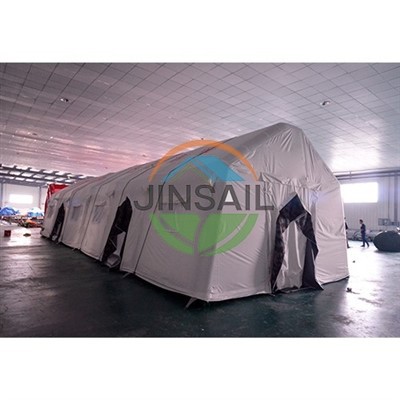


As a supplier of Toilet Low Pressure Tents, I understand the importance of proper maintenance to ensure these essential facilities remain in optimal condition. In this blog, I will delve into the various aspects of maintaining a Toilet Low Pressure Tent, sharing insights based on my experience in the industry.
Regular Inspection
One of the fundamental steps in maintaining a Toilet Low Pressure Tent is conducting regular inspections. These inspections should be carried out on a weekly basis, or more frequently if the tent is in high - usage environments. Check the overall structure of the tent for any signs of wear and tear. Look for small holes, tears, or frayed edges in the tent fabric. Even a tiny hole can lead to air leakage, which will affect the tent's low - pressure stability.
Inspect the inflatable components of the tent. Ensure that all air valves are functioning properly. A faulty valve can cause the tent to lose air over time, leading to a deflated and unstable structure. Check for any signs of damage around the valve area, such as cracks or loose fittings.
Examine the floor of the tent. Since it is in constant contact with moisture and waste, it is prone to damage. Look for any signs of water seepage, which could indicate a problem with the tent's waterproofing. Check for stains or odors, as these could be signs of poor sanitation.
Cleaning and Sanitation
Maintaining a high level of cleanliness is crucial for a Toilet Low Pressure Tent. Regular cleaning not only ensures a pleasant environment for users but also extends the lifespan of the tent.
Start by emptying the waste containers regularly. Depending on the usage volume, this may need to be done daily or several times a day. Use appropriate cleaning agents to clean the waste containers thoroughly. After emptying, rinse the containers with clean water and then use a disinfectant to kill any bacteria or germs.


Clean the tent fabric using a mild detergent and a soft brush. Avoid using harsh chemicals or abrasive materials, as they can damage the fabric. Gently scrub the surface of the tent to remove dirt, stains, and any other debris. Pay special attention to areas around the entrance and the corners, as these are often the dirtiest parts.
For the floor, use a non - slip cleaner to remove any stubborn stains and to prevent the growth of mold and mildew. After cleaning, dry the floor completely to avoid moisture - related issues.
Air System Maintenance
The air system is the heart of a Toilet Low Pressure Tent. It is responsible for maintaining the tent's shape and structure. Regular maintenance of the air system is essential to ensure its proper functioning.
Check the air pump regularly. Make sure it is running smoothly and is not making any unusual noises. Clean the air intake filters of the pump to prevent dust and debris from entering the system. A clogged filter can reduce the efficiency of the pump and may even cause it to overheat.
Inspect the air hoses for any signs of damage. Look for cracks, leaks, or kinks in the hoses. If any damage is found, replace the hoses immediately to prevent air leakage.
Monitor the air pressure inside the tent regularly. Use a pressure gauge to ensure that the pressure is within the recommended range. If the pressure is too low, the tent may collapse, while if it is too high, it can put excessive stress on the tent fabric and other components.
Structural Repairs
Despite regular maintenance, there may be times when the Toilet Low Pressure Tent requires repairs. Promptly addressing any structural issues is essential to prevent further damage.
For small holes or tears in the tent fabric, use a patch kit specifically designed for the type of fabric used in the tent. Clean the area around the hole or tear thoroughly before applying the patch. Make sure the patch is firmly attached to prevent air leakage.
If there is damage to the inflatable components, such as a punctured air beam, it may be necessary to replace the damaged part. Follow the manufacturer's instructions carefully when replacing components to ensure proper installation.
In case of more severe structural damage, such as a broken frame or a major tear in the fabric, it is advisable to seek professional help. A professional repair service can assess the damage accurately and provide the most appropriate solution.
Storage
Proper storage is also an important aspect of maintaining a Toilet Low Pressure Tent. When the tent is not in use, it should be stored in a dry, cool, and clean place.
Before storing the tent, clean it thoroughly and allow it to dry completely. Deflate the tent carefully and fold it neatly according to the manufacturer's instructions. Avoid folding the tent too tightly, as this can cause creases and damage to the fabric.
Store the tent in a protective cover to prevent dust, dirt, and pests from getting to it. If possible, store the tent off the ground to avoid moisture absorption.
Related Products and Links
If you are interested in other low - pressure inflatable tents, we have some great options. The Low - Pressure Inflatable Restaurant Ten is a great choice for outdoor dining areas. It provides a comfortable and stable environment.
The 6 - Unit Shower Low - Pressure Inflatable Tent is ideal for large - scale events where multiple shower facilities are needed. It is easy to set up and maintain.
For those looking for a reliable shower low - pressure tent factory, you can visit Shower Low Pressure Tent Factory. They offer high - quality products and excellent customer service.
Conclusion
Maintaining a Toilet Low Pressure Tent requires a combination of regular inspection, cleaning, air system maintenance, structural repairs, and proper storage. By following these maintenance guidelines, you can ensure that your tent remains in good condition, providing a safe and hygienic environment for users.
If you are in the market for a Toilet Low Pressure Tent or have any questions about maintenance, feel free to reach out. We are here to assist you in making the right choice and ensuring the long - term performance of your tent.
References
- Industry standards for inflatable tent maintenance
- Manufacturer's guidelines for Toilet Low Pressure Tents