


As a supplier of low-pressure inflatable tents, I've witnessed firsthand the growing demand for these innovative shelters across various industries. One question that frequently arises among potential buyers is about the heat insulation performance of low-pressure inflatable tents. In this blog, I'll delve into the science behind their heat insulation, factors that influence it, and how it compares to other types of tents.
The Science of Heat Insulation in Low-Pressure Inflatable Tents
Heat transfer occurs through three main mechanisms: conduction, convection, and radiation. Understanding how low-pressure inflatable tents address each of these mechanisms is crucial to evaluating their heat insulation performance.
Conduction
Conduction is the transfer of heat through a material. In the case of tents, heat can conduct through the tent fabric from the outside to the inside. Low-pressure inflatable tents are typically made from multiple layers of high-quality materials, such as PVC or TPU-coated fabrics. These materials have relatively low thermal conductivity, which means they are poor conductors of heat.
The inflatable structure also plays a role in reducing conduction. The air inside the inflatable beams acts as an insulator. Air is a poor conductor of heat, and by trapping a layer of air within the tent's structure, the transfer of heat through conduction is significantly reduced.
Convection
Convection is the transfer of heat through the movement of fluids, such as air. In a tent, convection can occur when warm air outside the tent rises and is replaced by cooler air, creating a continuous flow of air that can carry heat into the tent.
Low-pressure inflatable tents are designed to minimize convection. The sealed structure of the tent prevents the free flow of air in and out, reducing the convective heat transfer. Additionally, the inflatable beams create a barrier that disrupts the natural convection currents, further enhancing the heat insulation.
Radiation
Radiation is the transfer of heat through electromagnetic waves. The sun emits infrared radiation, which can penetrate the tent fabric and heat up the interior. Low-pressure inflatable tents often have reflective coatings on the outer layer of the fabric. These coatings reflect a significant portion of the infrared radiation, preventing it from entering the tent and reducing the heat gain from solar radiation.
Factors Influencing Heat Insulation Performance
Several factors can affect the heat insulation performance of low-pressure inflatable tents.
Tent Material
The choice of tent material is one of the most important factors. As mentioned earlier, materials with low thermal conductivity, such as PVC and TPU-coated fabrics, are preferred. The quality and thickness of the material also play a role. Thicker fabrics generally provide better insulation, but they may also increase the weight and cost of the tent.
Tent Design
The design of the tent can impact its heat insulation. Tents with a more complex structure, such as multiple chambers or insulated panels, tend to have better insulation performance. The shape of the tent can also affect the airflow inside, which in turn affects convection. For example, a dome-shaped tent may have better airflow management than a rectangular tent.
Environmental Conditions
The environmental conditions, such as temperature, humidity, and solar radiation, can influence the heat insulation performance of the tent. In hot and sunny conditions, the reflective coating on the tent fabric becomes more important to reduce solar radiation. In cold conditions, the insulation provided by the air trapped in the inflatable beams becomes crucial to prevent heat loss.
Comparison with Other Types of Tents
When compared to traditional tents, such as frame tents or pole tents, low-pressure inflatable tents generally offer better heat insulation. Traditional tents often rely on a single layer of fabric, which provides limited insulation. The lack of an inflatable structure also means that there is less air trapped within the tent to act as an insulator.
In contrast, low-pressure inflatable tents have a multi-layered structure and an inflatable framework that significantly enhances their heat insulation performance. This makes them more suitable for use in extreme temperatures, whether it's hot or cold.
Applications and Benefits
The excellent heat insulation performance of low-pressure inflatable tents makes them suitable for a wide range of applications.
Outdoor Events
For outdoor events, such as concerts, festivals, and sports events, low-pressure inflatable tents can provide a comfortable environment for attendees. The heat insulation helps to keep the interior of the tent cool in hot weather and warm in cold weather, ensuring a pleasant experience for everyone.
Emergency Relief
In emergency relief situations, such as natural disasters or humanitarian crises, low-pressure inflatable tents are often used as temporary shelters. The heat insulation performance is crucial in these situations, as it can protect the occupants from extreme temperatures and provide a more comfortable living environment. For more information on our Medical Disaster Relief Tent, please visit our website.

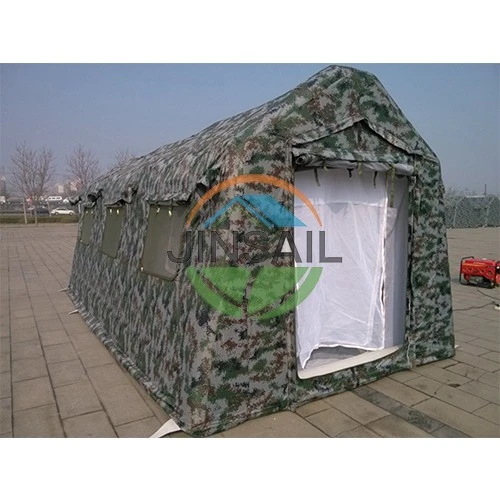
Industrial Use
In industrial settings, low-pressure inflatable tents can be used as storage facilities or workspaces. The heat insulation helps to maintain a stable temperature inside the tent, which is important for protecting sensitive equipment and materials.
Cost Considerations
When considering the purchase of a low-pressure inflatable tent, the cost is an important factor. The cost of a low-pressure inflatable tent can vary depending on several factors, such as size, material, and design. To learn more about Inflatable Tent Cost, please visit our website.
While low-pressure inflatable tents may have a higher upfront cost compared to traditional tents, their long-term benefits, such as better heat insulation and durability, often make them a more cost-effective choice.
Conclusion
In conclusion, the heat insulation performance of low-pressure inflatable tents is one of their key advantages. Through a combination of materials, design, and technology, these tents are able to effectively reduce heat transfer through conduction, convection, and radiation. This makes them suitable for a wide range of applications, from outdoor events to emergency relief and industrial use.
If you're in the market for a high-quality low-pressure inflatable tent with excellent heat insulation performance, we'd love to hear from you. Our team of experts can help you choose the right tent for your specific needs and provide you with a customized solution. Whether you're looking for a Low Pressure Rescue Inflatable Tent or a tent for a large outdoor event, we have the expertise and experience to meet your requirements. Contact us today to start the conversation and explore the possibilities of our low-pressure inflatable tents.
References
- ASHRAE Handbook - Fundamentals. American Society of Heating, Refrigerating and Air-Conditioning Engineers, Inc.
- Tent Manufacturing Industry Reports. Various industry publications.


