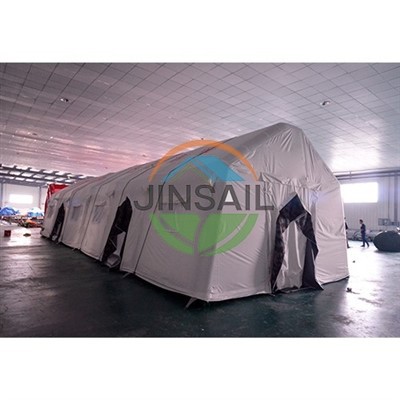


The lifespan of an army tent is a crucial consideration for military organizations, emergency response teams, and other users who rely on these shelters for various operations. As a seasoned army tent supplier, I've encountered numerous inquiries regarding the durability and longevity of our products. In this blog post, I'll delve into the factors that influence the lifespan of an army tent, provide estimates based on different types of tents, and offer tips on how to extend their useful life.
Factors Affecting the Lifespan of Army Tents
Material Quality
The quality of materials used in the construction of an army tent is perhaps the most significant factor determining its lifespan. Tents made from high - grade fabrics such as heavy - duty canvas or advanced synthetic materials like polyester with high denier ratings tend to last longer. Canvas tents, known for their durability and breathability, can withstand harsh weather conditions and are resistant to tearing. For instance, our Canvas Army Tent Surplus is crafted from top - notch canvas that offers excellent protection against the elements. On the other hand, synthetic materials are often lightweight, water - resistant, and quick - drying, which can also contribute to a longer lifespan.


Design and Construction
A well - designed and properly constructed army tent is more likely to have a longer lifespan. Features such as reinforced seams, sturdy frames, and reliable closures play a vital role. Tents with double - stitched seams are less prone to coming apart under stress. The frame material, whether it's steel, aluminum, or fiberglass, also affects durability. Steel frames are extremely strong but may be heavier and more prone to rust if not properly treated. Aluminum frames are lightweight and corrosion - resistant, making them a popular choice for Military Tent Lightweight.
Usage and Maintenance
How the army tent is used and maintained has a direct impact on its lifespan. Tents that are frequently set up and taken down, especially in rough terrain, may experience more wear and tear. Exposure to extreme weather conditions, such as heavy rain, strong winds, and intense sunlight, can also degrade the tent materials over time. Regular maintenance, including cleaning, inspection, and repair, can significantly extend the tent's life. For example, cleaning the tent after each use to remove dirt, debris, and moisture can prevent mold and mildew growth, which can weaken the fabric.
Storage Conditions
Proper storage is essential for preserving the lifespan of an army tent. Storing the tent in a dry, cool, and well - ventilated area away from direct sunlight can prevent damage from UV rays, moisture, and pests. Folding the tent correctly and storing it in a protective bag can also prevent unnecessary creasing and tearing.
Lifespan Estimates for Different Types of Army Tents
Canvas Tents
Canvas army tents are known for their durability and can last anywhere from 10 to 20 years with proper care. These tents are often used in long - term military bases or for large - scale emergency response operations. Their thick fabric provides excellent insulation and protection against the elements. However, canvas tents require more maintenance compared to synthetic tents, such as regular waterproofing treatments to maintain their water - resistance.
Lightweight Synthetic Tents
Lightweight synthetic tents, like those in our Military Tent Lightweight category, typically have a lifespan of 5 to 10 years. These tents are designed for portability and rapid deployment, making them ideal for field operations and mobile units. While they may not be as durable as canvas tents, their lightweight nature and quick setup times make them a popular choice for many users.
Rapid Deployable Military Tents
Rapid deployable military tents, such as our Rapid Deployable Military Tent, are engineered for quick and easy setup in emergency situations. Their lifespan usually ranges from 7 to 15 years. These tents are designed to withstand the rigors of rapid deployment and can be used in a variety of environments. They often feature advanced materials and construction techniques to ensure both durability and speed of setup.
Tips to Extend the Lifespan of Army Tents
Regular Inspections
Conduct regular inspections of the tent before and after each use. Check for any signs of damage, such as tears, holes, or loose seams. Early detection of problems allows for timely repairs, preventing further damage and extending the tent's lifespan.
Proper Cleaning
Clean the tent according to the manufacturer's instructions. Use mild detergents and avoid harsh chemicals that can damage the fabric. Rinse the tent thoroughly and allow it to dry completely before storing it.
Repairs
Make repairs as soon as damage is detected. Small tears can be patched using tent repair kits, which are readily available. For more significant damage, it may be necessary to seek professional repair services.
Storage
Store the tent in a suitable environment. If possible, use a tent storage bag to protect it from dust, dirt, and pests. Avoid storing the tent in a damp or humid area, as this can lead to mold and mildew growth.
Conclusion
The lifespan of an army tent depends on a variety of factors, including material quality, design, usage, maintenance, and storage conditions. By understanding these factors and following the tips provided, users can maximize the lifespan of their army tents. As a reliable army tent supplier, we are committed to providing high - quality products that meet the diverse needs of our customers. Whether you're looking for a durable canvas tent, a lightweight synthetic option, or a rapid - deployable solution, we have the expertise and products to serve you.
If you're interested in purchasing army tents or have any questions about their lifespan and maintenance, please don't hesitate to contact us for a detailed discussion and procurement negotiation. We're here to help you make the best choice for your specific requirements.
References
- Military Tents: A Comprehensive Guide, Military Equipment Publishing, 20XX
- Handbook of Tent Materials and Construction, Outdoor Shelter Institute, 20XX
- Best Practices for Tent Maintenance and Storage, Emergency Response Association, 20XX