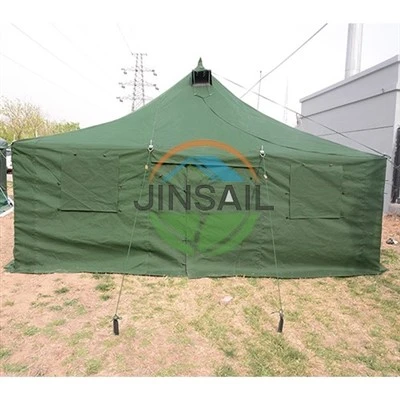


Hey there! As an individual tent supplier, I've seen firsthand how important it is to position your tent just right to get the best balance of sunlight and shade. Whether you're camping in the mountains, by the beach, or in your backyard, nailing the tent's position can make your camping experience way more enjoyable. So, let's dive into how you can do that.
Understanding the Sun's Movement
First things first, you gotta understand how the sun moves throughout the day. The sun rises in the east and sets in the west, and its position in the sky changes with the seasons. In the Northern Hemisphere, during the summer months, the sun is higher in the sky and follows a more northerly path. In winter, it's lower and follows a more southerly path. In the Southern Hemisphere, it's the opposite.
This knowledge is crucial because it helps you predict where the sun will be at different times of the day. For example, if you want to wake up to some gentle morning sun, you might want to position the entrance of your tent facing east. On the other hand, if you're looking to avoid the hot afternoon sun, you'll want to think about how the sun will move from mid - day to evening.
Assessing the Terrain
The terrain where you're setting up your tent plays a huge role in positioning. Look around for natural features that can either block the sun or let it shine in. Trees are great natural shade providers. If there are big, leafy trees around, you can position your tent under them. Just make sure to check for dead branches that could fall and damage your tent.
Rocks and hills can also create shade. If there's a large rock formation on the west side of your campsite, you can place your tent so that the rock blocks the afternoon sun. However, be careful if you're setting up near a hill. You don't want to be in a low - lying area where cold air can pool at night or where water might run during a rainstorm.
Morning Sun vs. Afternoon Sun
Let's talk about the difference between morning and afternoon sun. Morning sun is usually less intense and can be really nice to wake up to. It warms up your tent gradually and gives you a pleasant start to the day. If you're an early riser and like to start your day with some sunlight, position your tent so that the sun can shine in through the entrance or a window in the morning.
Afternoon sun, on the other hand, can be scorching hot. During the summer, the sun is at its highest and hottest between 12 pm and 4 pm. To avoid overheating your tent, try to find a spot where it will be shaded during this time. You can use natural features like trees or set up a shade structure like a tarp on the west side of your tent.
Ventilation and Sunlight
Good ventilation is key when it comes to tent comfort. You want to position your tent in a way that allows for cross - ventilation while also managing sunlight. If there's a gentle breeze blowing through your campsite, position your tent so that the wind can enter through one side and exit through the other. This will help keep the air inside the tent fresh and cool.
At the same time, you don't want the sun to shine directly into the ventilation openings for too long. If the sun is shining through a ventilation window, it can heat up the air inside the tent quickly. So, adjust the tent's position to balance ventilation and sunlight exposure.
Different Types of Camping Locations
Beach Camping
When camping at the beach, the sun is usually very intense. You'll want to find a spot that has some natural shade, like under a sand dune or near some beach grass. If there are no natural shade sources, you can set up a beach umbrella or a tarp on the sunny side of your tent.
Also, be aware of the tide. You don't want to set up your tent too close to the water, as the rising tide could flood your campsite. And since the beach is often flat, you can use the direction of the wind to your advantage for ventilation.
Mountain Camping
In the mountains, the terrain is more varied. You might have access to trees, rocks, and even cliffs for shade. Look for a spot that is protected from strong winds but still gets some sunlight. If you're camping at a high altitude, the sun can be very strong during the day, so shade is even more important.
You also need to consider the possibility of rain and snow. Make sure your tent is not in a place where water can collect or where avalanches or rockfalls are likely.
Backyard Camping
Backyard camping is a great way to test out tent positioning. You can use your house, trees, or fences for shade. If you have a pool or a water feature in your backyard, you can position your tent so that you have a nice view and can enjoy the coolness from the water.
Special Considerations for Different Tent Designs
Some tents are designed with different features that can affect how you position them. For example, a tent with a large awning can provide extra shade. You can position the tent so that the awning faces the sun during the hottest part of the day.
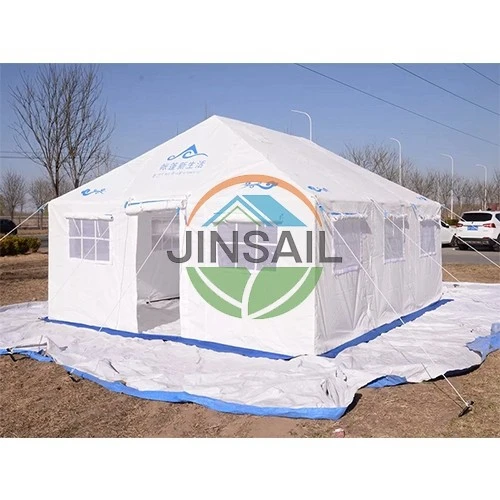

Tents with multiple doors and windows give you more options for ventilation and sunlight control. You can open the doors and windows on the shaded side of the tent for fresh air and keep the ones on the sunny side closed.
Using Tools to Help
There are some tools that can help you with tent positioning. A compass can be really useful to figure out the direction of the sun. You can also use a sun calculator app on your phone. These apps can show you the path of the sun at your specific location and time of year, which helps you make more informed decisions about where to set up your tent.
Conclusion
Positioning your individual tent for the best sunlight and shade is a combination of understanding the sun's movement, assessing the terrain, and considering your personal preferences. By taking the time to find the perfect spot, you can make your camping experience more comfortable and enjoyable.
If you're in the market for a high - quality individual tent, we've got you covered. We offer a wide range of tents suitable for different camping needs. Check out our Refugee family tent, Military Tent For Sale Canada, and Military Camouflage Tents.
If you're interested in purchasing our tents or have any questions, feel free to reach out to us. We're always happy to help you find the right tent and give you more tips on tent positioning.
References
- "The Complete Guide to Camping" by John Doe
- "Sun and Shade in the Great Outdoors" by Jane Smith
- Various online camping forums and blogs