

How does an Army Command Post conduct post - operation analysis?
As a trusted supplier to Army Command Posts, I've witnessed firsthand the critical importance of post - operation analysis in the military domain. This process not only helps in evaluating the effectiveness of a military operation but also plays a pivotal role in enhancing future strategies and tactics. In this blog, I'll delve into how an Army Command Post conducts post - operation analysis, highlighting key steps and considerations.
Step 1: Data Collection
The first and most fundamental step in post - operation analysis is data collection. An Army Command Post gathers a vast amount of information from multiple sources, including field reports from soldiers, sensor data from surveillance equipment such as drones and satellites, communication logs, and intelligence briefings.
Field reports are invaluable as they provide on - the - ground perspectives. Soldiers can describe the actual situation they faced, including enemy movements, terrain challenges, and the effectiveness of their own tactics. Sensor data, on the other hand, offers objective information about the battlefield. For example, satellite imagery can show the deployment of enemy forces, while drone - based sensors can detect heat signatures and movement patterns.

Communication logs help in understanding the flow of information during the operation. By analyzing who communicated with whom and what was said, the command post can identify any breakdowns in communication that may have affected the outcome. Intelligence briefings provide context, such as pre - operation estimates of enemy capabilities and intentions.
Step 2: Data Organization and Cleaning
Once the data is collected, it needs to be organized and cleaned. This involves categorizing the information into different types, such as tactical data, logistical data, and intelligence data. The command post may use specialized software systems to manage and store this data efficiently.
Data cleaning is also crucial. Errors, duplicates, and irrelevant information need to be removed to ensure the accuracy of the analysis. For example, if a sensor malfunctions and provides inaccurate readings, these data points should be identified and excluded.
Step 3: Performance Evaluation
After organizing and cleaning the data, the Army Command Post begins to evaluate the performance of different aspects of the operation. This includes assessing the effectiveness of military strategies and tactics. For instance, did the chosen battle plan achieve its objectives? Were the troops deployed in the most strategic locations?
The performance of individual units and soldiers is also evaluated. This can involve looking at factors such as their combat effectiveness, adherence to orders, and ability to adapt to changing situations. Logistical support is another important area to assess. Did the supply lines function smoothly? Were the troops provided with adequate equipment and resources?
Step 4: Identifying Successes and Failures
Based on the performance evaluation, the command post identifies the successes and failures of the operation. Successes can serve as models for future operations. For example, if a particular tactic led to a significant victory, it can be studied and replicated in similar situations.
Failures, on the other hand, are opportunities for learning. They can highlight areas that need improvement, such as weaknesses in communication systems, gaps in intelligence, or flaws in the battle plan. By understanding what went wrong, the command post can take steps to prevent similar mistakes in the future.
Step 5: Root Cause Analysis
Once the successes and failures are identified, a root cause analysis is conducted. This involves digging deeper into the reasons behind the outcomes. For example, if a communication breakdown occurred, the command post will try to determine whether it was due to technical issues, human error, or a problem with the communication protocol.
Root cause analysis helps in developing targeted solutions. Instead of just treating the symptoms, the command post can address the underlying issues to improve the overall effectiveness of future operations.
Step 6: Lessons Learned and Recommendations
Based on the root cause analysis, the Army Command Post compiles a list of lessons learned. These lessons are then used to develop recommendations for future operations. These recommendations can cover a wide range of areas, including strategy, tactics, training, and equipment.
For example, if the analysis reveals a need for better night - vision equipment, the command post may recommend upgrading the existing gear. If there were issues with troop training in a particular area, such as urban warfare, additional training programs can be proposed.
Importance of Equipment in Post - Operation Analysis
As an Army Command Post supplier, I understand the crucial role that equipment plays in both the operation and the post - operation analysis. High - quality equipment can provide accurate and reliable data, which is essential for a comprehensive analysis.
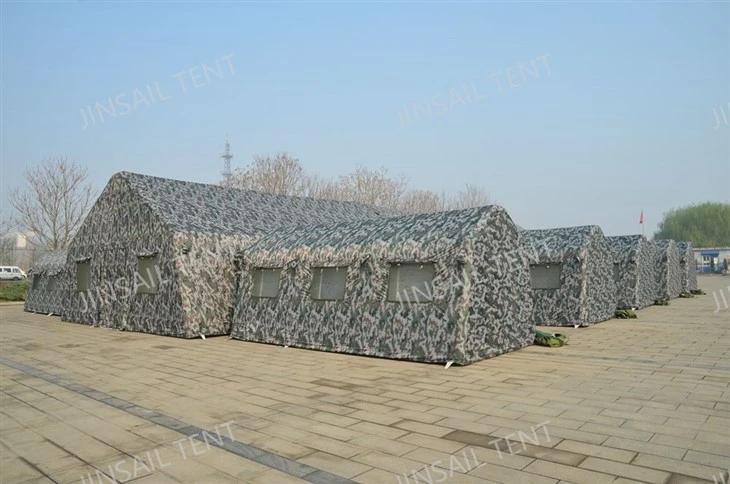
For instance, One Man Military Tents can offer soldiers a safe and comfortable place to rest during an operation. After the operation, the condition of these tents can be analyzed to see if they withstood the environmental challenges. Similarly, Best 2 Person Military Tent can be evaluated for their durability and functionality.
Expandable Military Tent are also important, especially in large - scale operations. Their ability to expand and accommodate more personnel and equipment can be a critical factor in the success of an operation. After the operation, the command post can assess how well these tents were used and if any improvements are needed.
Conclusion
In conclusion, post - operation analysis is a complex but essential process for an Army Command Post. By following the steps of data collection, organization, performance evaluation, identification of successes and failures, root cause analysis, and development of lessons learned and recommendations, the command post can continuously improve its operations.
As a supplier, I am committed to providing high - quality equipment that supports these operations and the post - operation analysis. If you are interested in learning more about our products or discussing potential procurement opportunities, please feel free to reach out. We are eager to work with you to enhance the capabilities of your Army Command Post.
References
- Military Doctrine Publications on Operational Analysis
- Research Papers on Military Performance Evaluation
- Reports on Army Equipment Effectiveness