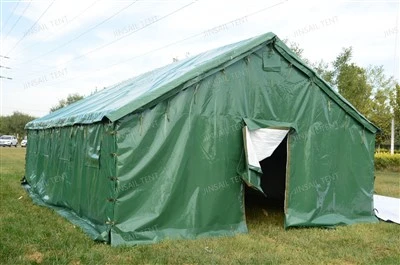


Hey there! As a supplier of Metal Frame Tents, I've seen firsthand how important it is to keep your tent fabric tension just right. Whether you're using a PVC Military Tent for military operations, a Disaster Relief Frame Tent for emergency situations, or an Army Command Field Tent – Heavy Duty Outdoor Deployment, proper tension ensures the tent's durability and functionality. In this blog, I'll share some tips on how to adjust the tension of the tent fabric on a metal frame.
Why is Tension Adjustment Important?
Before we dive into the how-to, let's talk about why tension adjustment matters. A well-tensioned tent fabric helps to:
- Improve Stability: Proper tension distributes the weight of the tent evenly across the frame, reducing the risk of collapse during strong winds or heavy snow.
- Enhance Waterproofing: Tight fabric prevents water from pooling on the tent's surface, minimizing the chances of leaks and water damage.
- Increase Durability: By reducing stress on the fabric and frame, proper tension helps to extend the lifespan of your tent.
Tools You'll Need
To adjust the tension of your tent fabric, you'll need a few basic tools:
- Adjustable Wrench: This will come in handy for tightening or loosening the nuts and bolts on the metal frame.
- Pegs and Ropes: These are used to secure the tent to the ground and provide additional tension.
- Tensioning Straps: Some tents come with built-in tensioning straps that can be adjusted to tighten the fabric.
Step-by-Step Guide to Adjusting Tent Fabric Tension
Now that you have your tools ready, let's get started on adjusting the tension of your tent fabric.
Step 1: Set Up the Tent
Before you can adjust the tension, you need to set up the tent properly. Follow the manufacturer's instructions to assemble the metal frame and attach the fabric. Make sure the tent is level and the frame is securely anchored to the ground.
Step 2: Check the Initial Tension
Once the tent is set up, take a look at the fabric tension. It should be taut but not overly tight. If the fabric is sagging in some areas or appears loose, it's time to make some adjustments.
Step 3: Tighten the Frame Connections
Using an adjustable wrench, check all the nuts and bolts on the metal frame. Tighten any loose connections to ensure the frame is stable. This will help to distribute the tension evenly across the fabric.
Step 4: Adjust the Tensioning Straps
If your tent has built-in tensioning straps, locate them and adjust them as needed. Most tensioning straps have a buckle or a ratchet mechanism that allows you to tighten or loosen the strap. Start by tightening the straps on the corners of the tent, then work your way around the perimeter.
Step 5: Use Pegs and Ropes
To provide additional tension, use pegs and ropes to secure the tent to the ground. Drive the pegs into the ground at a 45-degree angle and attach the ropes to the tent's guy lines. Pull the ropes tight and secure them to the pegs. Make sure the ropes are evenly spaced around the tent to distribute the tension evenly.


Step 6: Check the Tension Again
After making the adjustments, check the fabric tension again. Walk around the tent and look for any areas where the fabric is still sagging or loose. If necessary, make further adjustments to the tensioning straps or the ropes.
Step 7: Make Final Adjustments
Once you're satisfied with the tension, make any final adjustments to the pegs and ropes. Make sure they are secure and the tent is stable. You may also want to check the tension periodically, especially during extreme weather conditions.
Tips and Tricks
Here are some additional tips and tricks to help you adjust the tension of your tent fabric:
- Adjust the Tension in Stages: Don't try to tighten the fabric all at once. Make small adjustments and check the tension after each adjustment to avoid over-tightening the fabric.
- Use a Tension Gauge: If you're unsure about how much tension to apply, you can use a tension gauge to measure the tension of the fabric. This will help you to ensure that the fabric is properly tensioned.
- Consider the Weather Conditions: The tension of the tent fabric may need to be adjusted depending on the weather conditions. In windy or snowy conditions, you may need to tighten the fabric more to prevent it from flapping or collapsing.
Conclusion
Adjusting the tension of the tent fabric on a metal frame is an important part of maintaining your tent's performance and durability. By following the steps outlined in this blog and using the tips and tricks provided, you can ensure that your tent is properly tensioned and ready for any adventure.
If you're in the market for a high-quality Metal Frame Tent, look no further! We offer a wide range of tents, including PVC Military Tents, Disaster Relief Frame Tents, and Army Command Field Tents – Heavy Duty Outdoor Deployment. Contact us today to discuss your specific needs and get a quote. We're here to help you find the perfect tent for your next project!
References
- Tent manufacturer's instructions
- Personal experience as a Metal Frame Tent supplier