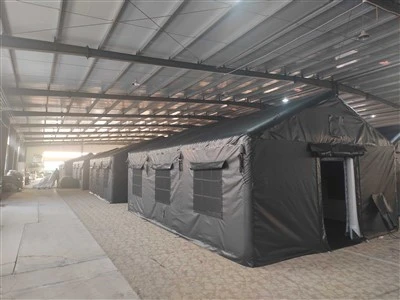


Hey there! I'm a supplier of Inflatable Medical Tents, and I've been getting a lot of questions lately about how to protect these tents from lightning. It's a crucial topic, especially considering that medical tents often need to be set up in various outdoor environments where lightning can pose a significant threat. So, let's dive into some practical ways to safeguard these inflatable medical tents.


First off, let's understand why lightning is such a big deal for inflatable medical tents. Lightning is a powerful natural phenomenon that can cause severe damage to any structure it strikes. In the case of inflatable tents, the damage can be even more severe because they are made of lightweight materials that are not as sturdy as traditional buildings. A lightning strike can puncture the tent fabric, damage the inflation system, and even harm the medical equipment and people inside.
One of the most effective ways to protect an inflatable medical tent from lightning is to install a lightning protection system. This system typically consists of a lightning rod, a grounding conductor, and a grounding electrode. The lightning rod is placed at the highest point of the tent, and it acts as a conductor to attract the lightning strike. The grounding conductor then carries the electrical current from the lightning rod to the grounding electrode, which is buried in the ground. This way, the electrical energy is safely dissipated into the ground, preventing it from causing damage to the tent.
When choosing a lightning protection system for your inflatable medical tent, it's important to make sure that it is designed specifically for use with inflatable structures. Some lightning protection systems are designed for traditional buildings and may not be suitable for inflatable tents. You should also make sure that the system is installed by a qualified professional to ensure that it is installed correctly and functions properly.
Another important factor to consider when protecting an inflatable medical tent from lightning is the location of the tent. You should avoid setting up the tent in open areas or on high ground, as these areas are more likely to be struck by lightning. Instead, try to set up the tent in a low-lying area or near a natural lightning protection source, such as a large tree or a building. If you must set up the tent in an open area, you can use a lightning protection system to provide additional protection.
In addition to installing a lightning protection system and choosing the right location for the tent, you should also take some other precautions to protect the tent from lightning. For example, you should make sure that all electrical equipment inside the tent is properly grounded. This includes medical equipment, lighting systems, and communication devices. You should also avoid using metal objects inside the tent during a thunderstorm, as these objects can attract lightning.
Now, let's talk about some of the inflatable medical tents that we offer. We have a wide range of Inflatable Tents Medical that are designed to meet the needs of different medical applications. Our 17.2㎡Low Pressure Inflatable Tent is a great option for smaller medical operations, while our Oxford Cloth Automatic Inflatable Tent – 8-Person Emergency Inflatable Shelter-20m² is ideal for larger medical teams.
All of our inflatable medical tents are made from high-quality materials that are durable and resistant to damage. They are also easy to set up and take down, making them a convenient option for medical teams that need to move quickly. In addition, our tents are designed to be airtight and waterproof, which helps to keep the inside of the tent dry and comfortable.
If you're interested in purchasing an inflatable medical tent, or if you have any questions about how to protect your tent from lightning, please don't hesitate to contact us. We're here to help you find the right tent for your needs and to provide you with the information and support you need to keep your tent safe and functional.
In conclusion, protecting an inflatable medical tent from lightning is an important consideration for anyone who uses these tents. By installing a lightning protection system, choosing the right location for the tent, and taking other precautions, you can help to ensure that your tent and the people inside it are safe during a thunderstorm. If you have any questions or need more information, please don't hesitate to contact us. We're here to help you make the right decision and to provide you with the support you need to keep your inflatable medical tent safe and functional.
References:
- National Fire Protection Association. (2017). NFPA 780: Standard for the Installation of Lightning Protection Systems.
- Lightning Protection Institute. (n.d.). Lightning Protection for Structures.