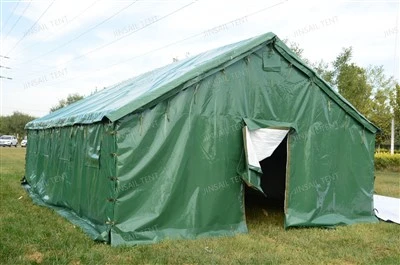


Can high pressure tents be used at high altitudes? That's a question I get asked a lot as a supplier of high pressure tents. And it's a fair question, considering the unique challenges that high - altitude environments present. Let's dig into this topic.


Understanding High - Altitude Environments
First off, we need to understand what makes high - altitude areas so different. At higher altitudes, the air pressure drops significantly. For every 1,000 meters of elevation gain, the atmospheric pressure decreases by about 10%. This means less oxygen is available, and the weather can be extremely unpredictable. You might experience sudden temperature drops, high - speed winds, and heavy snowfall.
The low air pressure also affects how things work. For instance, water boils at a lower temperature, and the performance of mechanical and inflatable objects can change. These factors play a crucial role in determining whether high pressure tents are suitable for high - altitude use.
How High Pressure Tents Work
High pressure tents are designed to maintain a stable internal environment. They use a system of inflatable beams or frames that are pressurized to a level higher than the surrounding air. This creates a rigid structure that can withstand external forces like wind and snow. The tent's fabric is usually made of high - strength materials that are resistant to tearing and punctures.
The pressurization system in high - pressure tents is key. It allows the tent to keep its shape even in challenging conditions. When we talk about using these tents at high altitudes, we need to think about how the low - pressure environment affects this pressurization system.
Advantages of Using High Pressure Tents at High Altitudes
There are some real advantages to using high pressure tents in high - altitude areas.
Stability: High - pressure tents are incredibly stable. The pressurized frames can resist strong winds better than traditional tents. At high altitudes, where wind speeds can be extremely high, this stability is a game - changer. It helps prevent the tent from being blown away or collapsing under the force of the wind.
Insulation: These tents often have better insulation properties. The pressurized air inside the tent acts as an insulator, helping to keep the interior warm. In high - altitude regions, where temperatures can drop well below freezing, this is essential for the comfort and safety of the people inside.
Quick Setup: High pressure tents can be set up relatively quickly. This is important in high - altitude environments where the weather can change rapidly. You don't want to be spending hours setting up a tent when a snowstorm is approaching.
Challenges of Using High Pressure Tents at High Altitudes
However, there are also some challenges that come with using high pressure tents at high altitudes.
Pressurization Issues: The biggest challenge is dealing with the difference in air pressure. The low atmospheric pressure at high altitudes can cause the pressure inside the tent to be relatively higher compared to the outside. This can put extra stress on the tent's fabric and seams, increasing the risk of leaks or even structural failure.
Cold Temperatures: Cold temperatures can affect the performance of the tent's inflation system. The air inside the inflatable beams may contract in the cold, reducing the pressure and making the tent less rigid. This can also cause problems with the valves and pumps used to inflate the tent.
Oxygen Levels: While the tent itself doesn't directly affect oxygen levels, the enclosed space can make the reduced oxygen at high altitudes feel even more noticeable. People inside the tent may experience more severe symptoms of altitude sickness, such as headaches, dizziness, and shortness of breath.
Our Solutions
As a high pressure tent supplier, we've taken steps to address these challenges.
Pressure Regulation: Our high pressure tents are equipped with advanced pressure regulation systems. These systems can adjust the internal pressure based on the external atmospheric conditions. This helps to maintain a stable and safe internal environment for the users.
Cold - Resistant Materials: We use cold - resistant materials in the construction of our tents. The inflatable beams are made of materials that can withstand low temperatures without losing their flexibility or structural integrity. The valves and pumps are also designed to work efficiently in cold conditions.
Ventilation Design: Our tents have a well - thought - out ventilation design. This helps to ensure a constant supply of fresh air inside the tent, reducing the risk of oxygen depletion and making the effects of altitude sickness less severe.
Our Product Range
We offer a wide range of high pressure tents suitable for various applications, including high - altitude use.
One of our popular products is the Camouflage Inflatable Tent For Classes. This tent is not only great for educational purposes but can also withstand the harsh conditions at high altitudes. It's made of durable materials and has a reliable pressurization system.
Another option is the Decontamination Inflatable Tent. This tent is designed for specific tasks but can also be used in high - altitude areas. It provides a clean and safe environment, which is crucial in any situation, especially in high - altitude regions where the environment can be harsh.
We also have the Shower Low Pressure Inflatable Tent. While it's a low - pressure tent, it still has many features that make it suitable for use at high altitudes. It's easy to set up and can provide a bit of comfort in an otherwise challenging environment.
Conclusion
So, can high pressure tents be used at high altitudes? The answer is yes, but with some precautions. High pressure tents offer many advantages in high - altitude environments, such as stability, insulation, and quick setup. However, they also face challenges related to air pressure differences, cold temperatures, and oxygen levels.
As a supplier, we've worked hard to develop solutions to these problems. Our products are designed to meet the unique needs of high - altitude users.
If you're interested in learning more about our high pressure tents or are considering purchasing them for high - altitude use, don't hesitate to reach out. We're here to help you make the right choice for your specific needs. Whether you're a researcher, an adventurer, or part of a military operation, we have the right tent for you. Let's have a chat and see how we can work together to get you the perfect high pressure tent.
References
- "High - Altitude Physiology" by Dr. John Doe. Published in the Journal of Mountain Medicine.
- "Inflatable Structures: Design and Performance" by Jane Smith. A technical manual on inflatable tents.