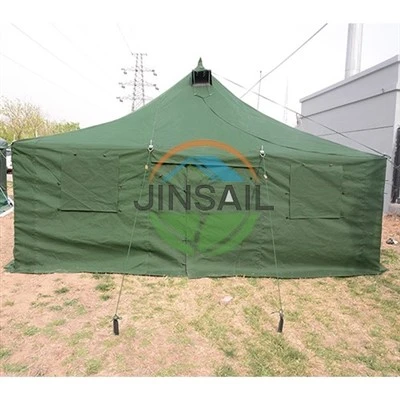


Hey there! As a supplier of fire inflatable tents, I often get asked if these bad boys can be used in winter. Well, let's dive right into it and find out.
First off, what exactly is a fire inflatable tent? These tents are designed with special fire - resistant materials. They're great for a bunch of different uses, like emergency shelters, event venues, or even as temporary storage. And the inflatable part makes them super easy to set up and take down, which is a huge plus.
Now, the big question: Can you use them in winter? The short answer is yes, but there are a few things you gotta keep in mind.
Insulation
One of the main concerns in winter is keeping the inside of the tent warm. Fire inflatable tents are usually made of materials that offer some level of insulation, but it might not be enough on its own in really cold weather. You can add extra insulation by using thermal liners. These liners can trap heat inside the tent, making it much cozier. Some of our customers have also used thick rugs on the floor to reduce heat loss through the ground.
If you're using the tent for a long - term winter stay, like in an emergency situation, you might even consider adding a secondary layer of insulation around the outside. This could be something as simple as a thick tarp, but make sure it doesn't block any ventilation points.
Ventilation
Even in winter, proper ventilation is crucial. When you heat up a tent, moisture can build up inside, leading to condensation. This not only makes the inside of the tent damp and uncomfortable but can also cause mold and mildew to grow over time.


Most fire inflatable tents come with built - in ventilation systems. You can adjust these vents to control the airflow. Just be careful not to let in too much cold air. A good rule of thumb is to keep the vents slightly open to allow for a slow exchange of air.
Heating
To keep warm in a fire inflatable tent during winter, you're going to need a heat source. There are several options available.
- Electric heaters: These are a popular choice because they're relatively safe and easy to use. However, you need to have a reliable power source. If you're in a remote area, you might need to bring a generator. Make sure to follow all the safety instructions when using electric heaters, especially in an enclosed space like a tent.
- Propane heaters: Propane heaters can provide a lot of heat quickly. But they produce carbon monoxide, so it's essential to have proper ventilation. You should also have a carbon monoxide detector inside the tent.
- Wood - burning stoves: For a more rustic and off - the - grid option, a wood - burning stove can work well. Just make sure the tent has a proper chimney or vent for the smoke. And of course, you need to have a good supply of firewood.
Structural Integrity
Cold temperatures can affect the structural integrity of the tent. The materials might become more brittle, and the inflation system could be less efficient.
Before setting up the tent in winter, check all the seams and joints for any signs of wear and tear. Make sure the inflatable tubes are in good condition. You might also want to increase the inflation pressure slightly to account for the cold. But don't over - inflate, as this could cause the tubes to burst.
In case of heavy snowfall, you'll need to clear the snow off the tent regularly. A thick layer of snow can put a lot of weight on the tent and cause it to collapse.
Different Types of Fire Inflatable Tents for Winter
We offer a variety of fire inflatable tents that can be used in winter.
- Emergency Low Pressure Inflatable Tent: This tent is perfect for emergency situations in winter. It's easy to set up and can provide a quick shelter. The low - pressure inflation system ensures that it's stable even in cold weather.
- Blackout Inflatable Tents: These tents not only block out light but also offer better insulation. The extra - thick materials can help keep the heat inside, making them a great choice for winter use.
- Decontamination Inflatable Tent: If you need to use the tent in a cold environment for decontamination purposes, this tent is designed to withstand the elements. It has a sealed design that can keep the inside warm and prevent contaminants from getting out.
Why Choose Our Fire Inflatable Tents for Winter
Our fire inflatable tents are made from high - quality, fire - resistant materials that can withstand cold temperatures. We've tested them in various winter conditions to ensure they perform well.
The inflation systems are designed to work efficiently even in cold weather. You won't have to worry about the tent deflating or not inflating properly.
We also offer great customer support. If you have any questions or need help setting up your tent in winter, our team is here to assist you.
Time to Talk Business
If you're interested in purchasing a fire inflatable tent for winter use, we'd love to have a chat with you. We can help you choose the right tent for your specific needs, whether it's for an emergency, an event, or something else. Just let us know your requirements, and we'll work with you to find the perfect solution.
References
- "Tent Insulation: A Guide to Staying Warm" - Outdoor Living Magazine
- "Winter Camping with Inflatable Tents" - Camping Enthusiast Journal
- "Safety Tips for Heating in Tents" - Home Safety Council Report