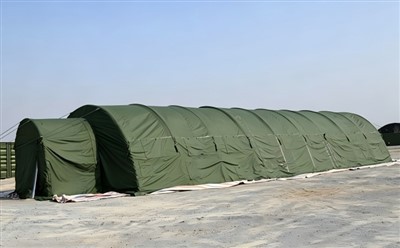

When choosing a tent for flood relief, we need to carefully evaluate each key factor to ensure that it can play the greatest role in the actual rescue operation, while ensuring the safety and comfort of the affected people. The following are the optimized selection points
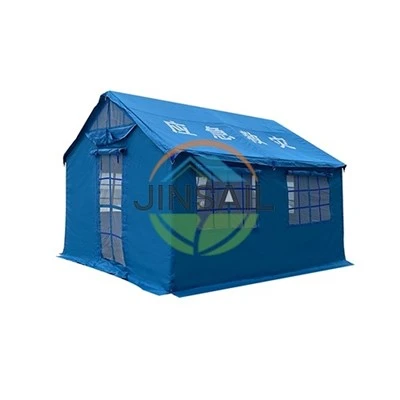
1. High-quality materials, durable and reliable
Fabric selection: Wear-resistant, tear-resistant, and highly waterproof fabrics are preferred, such as reinforced Oxford fabrics. They can not only effectively block the sun, rain, and snow, but also have certain flame retardant properties.
Stable frame: Use high-strength alloy frames, such as galvanized or painted tubes, with thick tube walls to ensure that the tent remains stable in bad weather.
2. Waterproof and windproof, double protection
Waterproof technology: Pay attention to the waterproof level of the tent fabric to ensure that the interior can be kept dry even in heavy rain, while preventing surface water from penetrating.
Wind-resistant design: Choose tents with scientific structures and sturdy frames to withstand strong winds and ensure personnel safety.
3. Stable structure, adaptable to changing terrain
Strengthen support: The tent design needs to have strong support capacity, and the bottom beam and tent frame must be stable and reliable to avoid collapse due to excessive load.
Flexible construction: Ensure that the tent can be quickly and stably built on muddy, rugged and other complex terrains to meet emergency rescue needs.
4. Efficient construction, race against time
Convenient operation: Choose tents that are easy to build and disassemble, reduce construction time, and allow rescue forces to be put into other work faster.
Modular design: Modular design is not only easy to assemble, but also can be flexibly adjusted according to needs to improve rescue efficiency.
5. Sufficient space to meet needs
Select on demand: According to the expected number of people to be resettled and the storage needs of materials, reasonably select the size of the tent to ensure maximum space utilization.
Diverse specifications: Common disaster relief tents on the market have various specifications, such as 3m×4m, 4m×4m, 4m×5m, etc., which can be flexibly selected according to actual conditions.
6. Comply with national standards and ensure quality
Strict screening: Give priority to disaster relief tents that meet national standards. These products have been strictly tested and have reliable quality.
Quality certification: Check whether the product has relevant quality certification marks, such as ISO, CE, etc., to ensure worry-free purchase.
7. High-quality service, worry-free after-sales
Brand reputation: Choose well-known brands, which often have a complete after-sales service system and can provide users with timely technical support and maintenance services.
Customer reputation: Refer to other users' comments and feedback to understand the brand's true service quality and user satisfaction.
8. Environmental protection and energy saving, multifunctional
Environmental protection materials: Consider the environmental protection and recyclability of tent materials, and choose green and low-carbon products.
Multifunctionality: Some disaster relief tents also have additional functions such as ventilation, warmth, and sun protection, which can be selected according to actual needs to enhance the use experience.
In summary, when choosing flood relief tents, it is necessary to comprehensively consider the material, performance, structure, construction efficiency, space size, compliance with standards, after-sales service, environmental protection and multifunctionality. Through careful comparison and careful selection, ensure that the selected tent can play an important role at a critical moment and provide a safe and comfortable temporary shelter for the affected people.