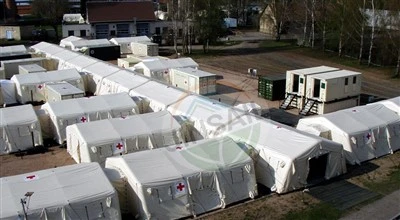


What is Accommodation In High Pressure inflatable Tent?
Accommodation in a high pressure inflatable tent refers to the provision of shelter and living space in a tent designed to withstand elevated atmospheric pressure. High pressure inflatable tents are often employed in specialized environments, such as those found at high altitudes or in situations where there is a need for controlled pressure conditions. These tents are constructed with materials and designs that can endure increased atmospheric pressure, making them suitable for scientific research, medical treatments, or high-altitude accommodations where standard tents may not be practical.
Advantages of Accommodation In High Pressure inflatableTent
Altitude adaptability
Accommodation in high pressure inflatable tents offers the advantage of adaptability to high-altitude environments. These tents are designed to provide a controlled atmosphere, allowing individuals to reside comfortably and safely in locations where standard accommodations may be impractical due to lower oxygen levels and increased atmospheric pressure.
Scientific research and medical applications
High pressure inflatable tents are beneficial for scientific research and medical applications, where controlled pressure environments are essential. Researchers and medical professionals can conduct experiments or provide treatments in conditions that mimic high-altitude scenarios, facilitating studies related to physiology, acclimatization, or therapeutic interventions.
Emergency shelters in extreme conditions
The adaptability of high pressure inflatable tents makes them advantageous for serving as emergency shelters in extreme conditions. Whether deployed in remote mountainous regions or harsh climates, these tents offer a reliable solution for creating habitable spaces, ensuring the safety and well-being of individuals facing challenging environmental circumstances.
Enhanced safety and comfort
Accommodations in high pressure inflatable tents prioritize safety and comfort in environments with altered atmospheric conditions. By providing a controlled pressure environment, these tents help mitigate the physiological challenges associated with high altitudes, allowing occupants to rest, sleep, and perform daily activities more comfortably and safely.

Command High Pressure Inflatable Tent
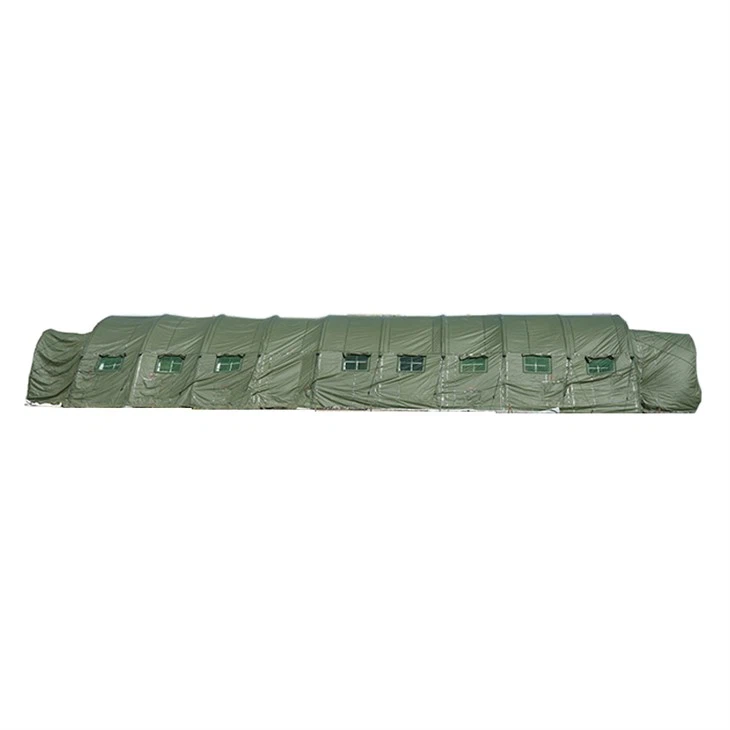
Conference High Pressure Inflatable Tent

Equipment Warehouse High Pressure Inflatable Tent
Why Choose Us?
High quality
Our products are manufactured or executed to very high standards, using the finest materials and manufacturing processes.
Rich experience
Dedicated to strict quality control and attentive customer service, our experienced staff is always available to discuss your requirements and ensure complete customer satisfaction.
Quality control
We have professional personnel to monitor the production process, inspect the products and ensure that the final product meets the required quality level standards, guidelines and specifications.
24h online service
We try and respond to all concerns within 24 hours and our teams are always at your disposal in case of any emergencies.
Types of Accommodation In High Pressure Tent
One type of accommodation in high-pressure tents includes research camps established at high altitudes. These camps serve as temporary living quarters for scientists, researchers, and expedition teams studying various aspects of high-altitude environments. The tents provide a controlled atmosphere for conducting experiments and research in challenging atmospheric conditions.
Hyperbaric tents designed for medical applications represent another type of high-pressure accommodation. These tents create a controlled pressure environment for medical treatments, such as hyperbaric oxygen therapy. By regulating atmospheric conditions, medical professionals can administer specialized treatments to patients, especially those recovering from conditions like decompression sickness or wounds.
Accommodation in high-pressure inflatable tents is often utilized in high-altitude expedition shelters. These shelters provide a safe and habitable space for mountaineers, climbers, and adventurers exploring challenging terrains at significant elevations. The tents offer a controlled pressure environment, addressing the physiological challenges associated with reduced oxygen levels at high altitudes.
High-pressure inflatable tents are employed in environmental testing scenarios where specific pressure conditions need to be replicated. These tents are utilized in controlled environments for testing equipment, materials, or technologies under conditions similar to those encountered at high altitudes. This type of accommodation allows researchers and engineers to assess the performance of various elements in challenging atmospheric conditions.
How to Choose Accommodation In High Pressure inflatable Tent
Altitude rating and pressure control
When choosing accommodation in a high-pressure inflatable tent, consider the tent's altitude rating and its ability to control pressure. Ensure that the tent is designed to provide a stable and controlled atmosphere, especially in environments with low oxygen levels and increased atmospheric pressure. Look for tents with features that allow for precise pressure adjustments to meet specific requirements.
Materials and durability
Evaluate the materials used in the construction of the high-pressure inflatable tent. Opt for durable and weather-resistant fabrics that can withstand the harsh conditions often associated with high-altitude environments. High-quality materials contribute to the longevity of the tent and its ability to provide reliable accommodation in challenging atmospheric conditions.
Size and configuration
Consider the size and configuration of the high-pressure inflatable tent based on the number of occupants and the intended use. Whether it's for research camps, medical applications, or expedition shelters, choose a tent that provides sufficient space and meets the specific requirements of the accommodation scenario. Ensure that the tent's design supports the activities conducted within it.
Portability and ease of setup
Assess the portability and ease of setup of the high-pressure inflatable tent, especially if it needs to be transported to remote locations. Choose a tent that is lightweight, compact when packed, and equipped with user-friendly setup mechanisms. A tent that can be easily assembled in challenging environments ensures a more convenient and efficient accommodation solution.
Setup and pressurization
Begin by setting up the high-pressure tent according to the manufacturer's guidelines. Ensure that the tent is assembled correctly, and all components, including the frame and fabric, are in place. Once assembled, initiate the pressurization process, adjusting the internal pressure to the desired level based on the specific requirements of the accommodation scenario.
Occupant preparation
Before occupants enter the high-pressure inflatable tent, provide them with instructions on adapting to the controlled atmospheric conditions. Inform them of any necessary precautions, such as gradual acclimatization, to mitigate potential physiological challenges associated with changes in pressure and oxygen levels. Ensure occupants are aware of safety protocols and emergency procedures.
Conducting activities
Use the high-pressure inflatable tent for its intended purpose, whether it be scientific research, medical treatments, or providing shelter in extreme environments. Ensure that all activities conducted within the tent adhere to safety guidelines and protocols. Monitor the internal conditions regularly, making adjustments to pressure levels as needed to maintain a stable and controlled atmosphere.
Dismantling and exit procedures
When concluding the use of the high-pressure tent, follow proper dismantling procedures. Carefully depressurize the tent and ensure that all occupants are aware of the exit procedures. Safely disassemble the tent components, taking note of any specific storage requirements. Store the tent properly to maintain its functionality and readiness for future use.
High-altitude research camps:Accommodation in high-pressure tents finds significant application in establishing research camps at high altitudes. Scientists and researchers use these tents as temporary living quarters to conduct studies on the physiological effects of reduced oxygen levels and altered atmospheric pressure. The controlled environment allows for accurate data collection in challenging high-altitude conditions.
Medical hyperbaric chambers:High-pressure inflatable tents are employed as portable hyperbaric chambers for medical applications. These chambers provide controlled pressure environments for administering hyperbaric oxygen therapy, a medical treatment that involves breathing pure oxygen in a pressurized room or tent. This application aids in treating conditions such as decompression sickness and promoting wound healing.
High-altitude expedition shelters:Accommodation in high-pressure inflatable tents is crucial for high-altitude expeditions, providing mountaineers and adventurers with a safe and controlled space to rest and acclimate. These tents offer protection against the challenges of high-altitude environments, allowing expedition teams to recover and adapt before continuing their ascent.
Environmental testing and simulation:High-pressure inflatable tents are utilized in environmental testing and simulation scenarios. Researchers and engineers use these tents to recreate high-altitude conditions for testing equipment, materials, or technologies. This application allows for the assessment of performance and durability in environments with reduced oxygen levels and increased atmospheric pressure, aiding in the development of products designed for such conditions.

How to Install Accommodation In High Pressure inflatable Tent
Site preparation
Before installing accommodation in a high-pressure inflatable tent, carefully select and prepare the site. Ensure the ground is level and free from any sharp objects or debris that could damage the tent. In high-altitude or extreme environments, take into account factors such as wind direction, exposure to sunlight, and potential weather changes.
Frame assembly
Begin the installation process by assembling the collapsible frame of the high-pressure tent. Follow the manufacturer's instructions to extend the frame to its full structure. Check that all frame components are securely locked into place, as the stability of the tent relies on a properly assembled frame.
Tent pressurization
Once the frame is securely in place, initiate the pressurization process. Adjust the internal pressure of the tent to the desired level, taking into consideration the specific requirements for the intended use. Ensure that the pressurization system is functioning correctly, and monitor the pressure levels to maintain a controlled atmospheric environment.
Interior setup and safety measures
Set up the interior of the high-pressure inflatable tent according to its purpose, whether it is for research, medical treatments, or shelter. Arrange furniture, equipment, and any necessary amenities within the tent. Communicate safety measures to occupants, including guidelines for adapting to the controlled atmospheric conditions and emergency procedures. Regularly monitor the internal conditions to ensure a stable and safe environment.
Process of Accommodation In High Pressure Tent
Site selection and preparation
The process of accommodating individuals in a high-pressure inflatable tent begins with careful site selection and preparation. Choose a suitable location, considering factors such as stability, accessibility, and safety. Ensure the ground is level, free of debris, and able to support the weight of the tent. In high-altitude scenarios, account for specific environmental challenges like wind and temperature variations.
Tent assembly and pressurization
Following site preparation, assemble the high-pressure tent according to the manufacturer's instructions. This involves setting up the collapsible frame and attaching the tent material. Once the tent structure is in place, initiate the pressurization process. Adjust the internal pressure to the desired level, ensuring that the controlled atmospheric conditions are suitable for the intended purpose, whether it be scientific research, medical treatments, or shelter.
Occupant entry and acclimatization
After achieving the desired pressure levels, occupants can enter the high-pressure tent. Provide instructions to individuals on acclimatization, as sudden changes in atmospheric conditions may have physiological effects. Implement gradual entry procedures if necessary, allowing occupants to adapt comfortably to the controlled environment. Monitor occupants for any signs of discomfort or health issues during this phase.
Interior utilization and maintenance
Utilize the interior space of the high-pressure inflatable tent for its intended purpose, whether for conducting research, medical procedures, or providing shelter. Regularly monitor and maintain the internal conditions, ensuring that the pressure levels remain stable. Address any issues promptly and communicate safety measures to occupants.
Things to Note When Using Accommodation In High Pressure inflatable Tent
Gradual acclimatization
One crucial consideration when using accommodation in a high-pressure inflatable tent is the need for occupants to undergo gradual acclimatization. Sudden changes in atmospheric pressure can have physiological effects on individuals, and allowing for a slow adjustment period helps mitigate potential discomfort or health issues.
Regular monitoring of internal conditions
Continuously monitor the internal conditions within the high-pressure inflatable tent. Regular checks of pressure levels, temperature, and air quality are essential to ensure a stable and controlled environment. This proactive approach allows for timely adjustments and helps maintain the intended atmospheric conditions for the safety and well-being of occupants.
Communication of safety protocols
Clearly communicate safety protocols to all occupants using the high-pressure inflatable tent. Provide guidelines on adapting to the controlled atmospheric conditions and educate individuals on emergency procedures. Awareness of safety measures ensures that occupants can respond appropriately to any unexpected situations, enhancing overall safety and security.
Proper maintenance and timely repairs
Prioritize proper maintenance of the high-pressure inflatable tent to ensure its functionality. Regularly inspect all components, including the frame, tent material, and pressurization systems. Address any issues or damages promptly, and perform timely repairs to prevent potential risks. Well-maintained equipment enhances the reliability and longevity of the high-pressure tent for sustained use.
Collapsible frame structure
A crucial component of accommodation in a high-pressure inflatable tent is the collapsible frame structure. Typically constructed from lightweight yet durable materials such as aluminum or steel, this frame provides the structural support for the tent. The collapsible design facilitates easy setup and storage, allowing for quick deployment in challenging environments.
Pressure control system
An integral component is the pressure control system, responsible for regulating the internal atmospheric conditions within the tent. This system allows users to adjust and maintain the desired pressure levels, ensuring a controlled environment suitable for specific purposes such as scientific research, medical treatments, or high-altitude shelter.
Durable tent material
The tent material is another critical component, often crafted from high-quality, weather-resistant fabrics. These materials are chosen for their durability and ability to withstand the challenges of high-pressure environments. They form the exterior and interior walls of the tent, providing protection against atmospheric conditions while maintaining a habitable space inside.
Safety features and emergency systems
Accommodation in a high-pressure inflatable tent includes safety features and emergency systems to ensure the well-being of occupants. These may encompass emergency exits, communication systems, and safety protocols. Incorporating these components helps address potential risks and enhances the overall safety of individuals utilizing the high-pressure inflatable tent.
How to Maintain Accommodation In High Pressure inflatable Tent
Regular pressure system checks
Conduct regular checks on the pressure control system to ensure it is functioning optimally. Verify that the system can maintain and adjust internal pressure as needed. Periodic inspections help identify any potential issues early on, allowing for timely repairs and preventing disruptions to the controlled atmospheric conditions.
Inspection of tent components
Regularly inspect all components of the high-pressure tent, including the frame, tent material, and supporting elements. Look for signs of wear, damage, or stress points that may compromise the integrity of the tent. Address any issues promptly through repairs or replacement to maintain the structural stability and longevity of the accommodation.
Cleaning and maintenance of tent material
Keep the tent material clean and well-maintained to ensure its durability and effectiveness. Regularly clean the fabric using mild soap and water, and follow any specific cleaning instructions provided by the manufacturer. Proper maintenance of the tent material enhances its resistance to environmental factors and contributes to the overall longevity of the high-pressure tent.
Training and preparedness
Ensure that individuals responsible for the high-pressure inflatable tent are adequately trained in its operation, maintenance, and emergency procedures. Establish a routine training program to familiarize users with safety protocols, proper use of equipment, and steps to take in case of unexpected situations. Preparedness through training contributes to the effective and safe maintenance of the accommodation in a high-pressure inflatable tent.
The working principle of accommodation in a high-pressure inflatable tent centers on creating and maintaining a controlled atmospheric environment within the tent structure. The collapsible frame, often made of lightweight yet durable materials, provides the structural support for the tent. The key feature lies in the pressure control system, which regulates the internal atmospheric conditions. By adjusting and stabilizing the pressure levels, the tent can simulate specific altitudes or controlled environments. This controlled atmosphere is crucial for applications such as scientific research, medical treatments, or providing shelter in extreme conditions.
Material of Accommodation In High Pressure Inflatable Tent
Accommodation in high-pressure inflatable tents involves the use of specialized materials designed to withstand and control challenging atmospheric conditions. The framework of these tents is typically constructed from durable yet lightweight materials such as aluminum or steel, providing structural stability. The tent material itself is crafted from high-quality, weather-resistant fabrics known for their strength and resilience. These fabrics often undergo treatments to enhance their resistance to adverse weather, making them waterproof, uv-resistant, and capable of withstanding high-pressure environments.
What is the Purpose of Accommodation in a High-Pressure inflatable Tent
Research and scientific studies
Accommodation in a high-pressure inflatable tent serves the purpose of providing a controlled environment for scientific research and studies. Scientists often utilize these tents in high-altitude locations to conduct experiments and gather data related to physiological responses, acclimatization, and other research objectives under altered atmospheric conditions.
Medical treatments and hyperbaric oxygen therapy
High-pressure inflatable tents are employed for medical purposes, specifically in administering hyperbaric oxygen therapy. These tents create a pressurized environment to facilitate the delivery of high concentrations of oxygen, contributing to the treatment of conditions such as decompression sickness, wounds, and certain medical emergencies.
High-altitude expeditions and mountaineering
Accommodation in high-pressure inflatable tents is essential for individuals embarking on high-altitude expeditions or engaging in mountaineering activities. These tents provide a safe and controlled shelter for climbers and expedition teams, allowing them to rest, acclimatize, and recover in environments with reduced oxygen levels and increased atmospheric pressure.
Environmental testing and simulation
High-pressure inflatable tents play a crucial role in environmental testing and simulation scenarios. Engineers and researchers use these tents to replicate high-altitude conditions for testing equipment, materials, or technologies. This application allows for the assessment of performance and durability in environments with reduced oxygen levels and increased atmospheric pressure, contributing to various fields such as aerospace and materials science.
How is the Internal Pressure of a High-Pressure inflatable Tent Regulated and Controlled
Pressurization system
High-pressure inflatable tents are equipped with a specialized pressurization system that allows for the regulation and control of internal pressure. This system typically includes a pump or compressor responsible for adjusting the air pressure within the tent to create a controlled atmosphere.
Pressure sensors and monitoring
Integrated pressure sensors are employed to continuously monitor the internal pressure levels within the high-pressure tent. These sensors provide real-time feedback to the pressurization system, enabling it to make necessary adjustments to maintain the desired atmospheric conditions.
Adjustable valves and vents
High-pressure inflatable tents often feature adjustable valves and vents that allow for manual control of the internal pressure. Occupants or operators can manipulate these components to fine-tune the pressure levels based on specific requirements, whether for scientific research, medical treatments, or other applications.
Safety mechanisms
To ensure the safety of occupants and the integrity of the tent, high-pressure systems incorporate safety mechanisms. These may include pressure relief valves that release excess pressure, preventing overpressurization. These safety features contribute to maintaining a stable and secure internal environment within the high-pressure inflatable tent.
How Does the Collapsible Frame of a High-Pressure inflatable Tent Contribute to Its Functionality
The collapsible frame of a high-pressure inflatable tent enhances its functionality by allowing for easy transportation. The frame can be folded down into a compact and portable form, enabling efficient storage and convenient transport to remote or challenging locations, where rapid deployment is often essential.
The collapsible frame facilitates a quick and hassle-free setup of the high-pressure tent. Unlike traditional tents that may require assembling individual poles, the collapsible frame design allows users to extend and secure the frame easily. This efficiency is particularly advantageous in time-sensitive situations, such as emergency deployments or field research.
The collapsible frame contributes to space optimization within the high-pressure inflatable tent. When extended, it provides a sturdy structure to support the tent material, creating a controlled environment. When collapsed, the frame allows for the efficient use of storage space, making the tent suitable for various applications where available space may be limited.
High-pressure inflatable tents with collapsible frames are adaptable to a range of environments. The ease of setup and breakdown enables their use in diverse scenarios, from high-altitude expeditions to scientific research in challenging locations. The collapsible frame design, combined with durable materials, enhances the overall functionality and versatility of the high-pressure inflatable tent.
FAQ
Hot Tags: Accommodation in High Pressure InflatableTent Factory, China Accommodation in High Pressure InflatableTent Factory manufacturers, suppliers, factory, mountain accommodation, inflatable camping shelter, arctic structure, camping dwelling, desert living space, inflatable shelter for festival