


As a supplier of low pressure inflatable tents, I've encountered numerous customers facing inflation issues. In this blog, I'll share some practical troubleshooting tips to help you solve inflation problems in your low pressure inflatable tent.
Understanding the Basics of Low Pressure Inflatable Tents
Before diving into troubleshooting, it's essential to understand how low pressure inflatable tents work. These tents rely on a continuous supply of air to maintain their shape and structure. Unlike high - pressure inflatable structures, low pressure inflatable tents operate at a relatively lower air pressure, typically ranging from a few millibars to around 25 millibars.
The inflation system usually consists of an air blower, air tubes, and valves. The air blower continuously pumps air into the tent through the tubes, and the valves help regulate the airflow and maintain the desired pressure.
Common Inflation Problems and Solutions
1. Insufficient Inflation
Symptoms: The tent does not fully expand, and the walls may appear saggy. You might also notice that the tent is not as rigid as it should be, which can affect its stability and overall performance.
Possible Causes and Solutions
- Blocked Air Tubes: Check the air tubes for any blockages. Debris, such as leaves, dirt, or small objects, can get into the tubes and restrict the airflow. If you find a blockage, carefully remove it. You can use a long, thin object like a wire hanger to gently push the debris out.
- Malfunctioning Air Blower: The air blower is the heart of the inflation system. If it's not working correctly, the tent won't inflate properly. Check the power supply to the blower. Make sure it's plugged in securely and that the power source is functioning. If the blower is making strange noises or not running at all, it might be damaged. In this case, you may need to replace the blower. Some blowers come with built - in filters. Make sure these filters are clean, as a dirty filter can reduce the blower's efficiency.
- Leaking Valves: Valves are responsible for maintaining the air pressure inside the tent. A leaking valve can cause air to escape, resulting in insufficient inflation. Inspect the valves for any visible signs of damage, such as cracks or loose connections. If you find a leaky valve, you can try tightening the connections. In some cases, you may need to replace the valve.
2. Over - Inflation
Symptoms: The tent appears overly rigid, and the fabric may be stretched to its limit. There's a risk of the fabric tearing or the tent structure being damaged under excessive pressure.
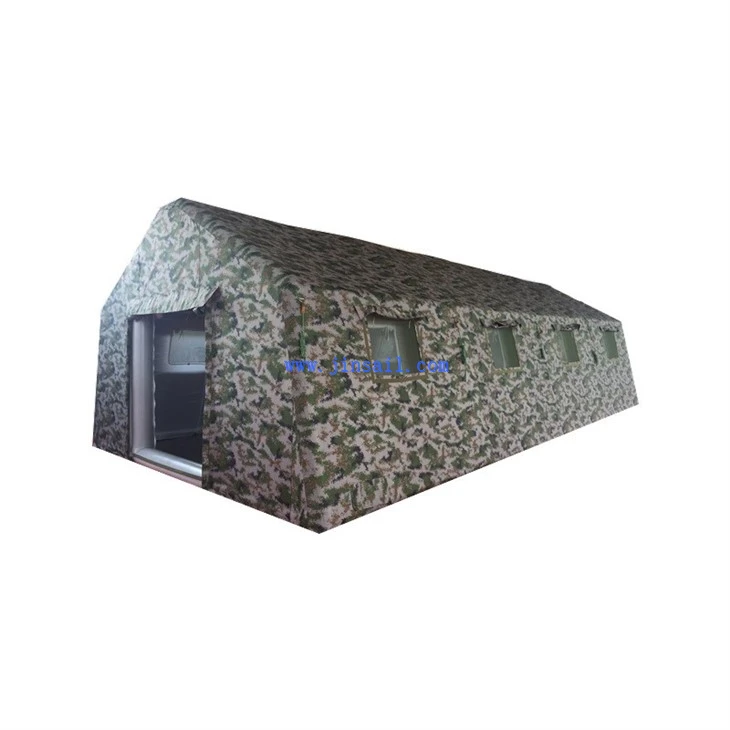

Possible Causes and Solutions
- Incorrect Blower Settings: Some air blowers allow you to adjust the airflow rate. If the blower is set to a too - high speed, it can cause over - inflation. Refer to the blower's user manual and adjust the settings to a lower speed.
- Faulty Pressure Regulator: If your tent has a pressure regulator, it may be malfunctioning. The pressure regulator is designed to maintain a constant air pressure inside the tent. Check the regulator for any signs of damage or incorrect calibration. If necessary, replace the pressure regulator.
3. Uneven Inflation
Symptoms: One part of the tent is fully inflated, while another part is saggy. This can make the tent look lopsided and may affect its stability.
Possible Causes and Solutions
- Kinked Air Tubes: A kink in the air tube can restrict the airflow to a particular section of the tent. Carefully check the air tubes for any kinks and straighten them out.
- Clogged Air Inlets: Some tents have multiple air inlets. If one of these inlets is clogged, the corresponding area of the tent may not inflate properly. Clean the air inlets to ensure unobstructed airflow.
Advanced Troubleshooting
1. Detecting Hidden Leaks
Sometimes, leaks can be difficult to detect, especially if they are small. Here are some methods to find hidden leaks:
- Soap Solution Test: Mix a small amount of liquid soap with water to create a soapy solution. Use a spray bottle to apply the solution to the tent's seams, valves, and areas where the air tubes connect. If there's a leak, you'll see bubbles forming at the leak site.
- Pressure Drop Test: Use a pressure gauge to measure the air pressure inside the tent. Close all the valves and turn off the air blower. Monitor the pressure over a period of time. If the pressure drops significantly, there's likely a leak somewhere in the tent.
2. Issues with the Tent Fabric
- Punctures and Tears: Inspect the tent fabric for any punctures or tears. Even a small hole can cause air to escape. You can use a patch kit specifically designed for inflatable tents to repair these damages. Clean the area around the hole, apply the adhesive according to the kit's instructions, and then place the patch over the hole, pressing it firmly to ensure a good seal.
Maintenance Tips to Prevent Inflation Problems
- Regular Inspections: Before and after each use, inspect the tent, air tubes, valves, and air blower for any signs of damage or wear.
- Clean the Tent: Keep the tent clean to prevent debris from getting into the inflation system. Use a mild detergent and a soft brush to clean the tent fabric.
- Store the Tent Properly: When not in use, store the tent in a dry, cool place. Avoid folding the tent too tightly, as this can damage the fabric and the air tubes.
Conclusion
Troubleshooting inflation problems in a low pressure inflatable tent requires a systematic approach. By understanding the common causes and solutions, you can quickly identify and fix issues, ensuring that your tent remains in good working condition.
If you're interested in purchasing a high - quality low pressure inflatable tent, we offer a wide range of products, including the 4 Season Inflatable Tent, which is suitable for all - year - round use, the 30㎡ Decontamination Tent, designed for specific decontamination needs, and the Us Military Camps infaltable tent in Korea, known for its durability and reliability.
If you have any questions or would like to discuss your specific requirements, please feel free to reach out to us. We're here to assist you in finding the perfect inflatable tent solution for your needs.
References
- "Inflatable Structures: Design, Analysis and Construction" by A. R. Calder.
- Manufacturer's manuals for low pressure inflatable tents and air blowers.


