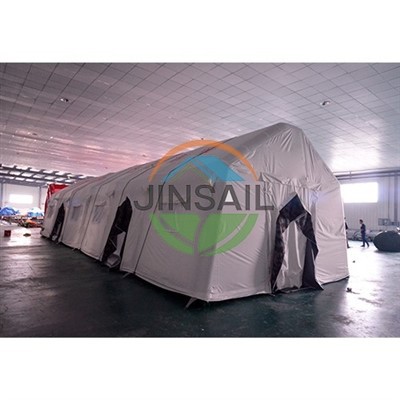


Hey there! I'm a supplier of Metal Frame Tents, and I know firsthand how crucial it is to secure these tents, especially in high - traffic areas. Whether it's a bustling outdoor event, a military base, or a construction site, a well - secured tent can withstand the hustle and bustle and the elements. So, let's dive into some practical tips on how to do just that.

Choose the Right Tent in the First Place
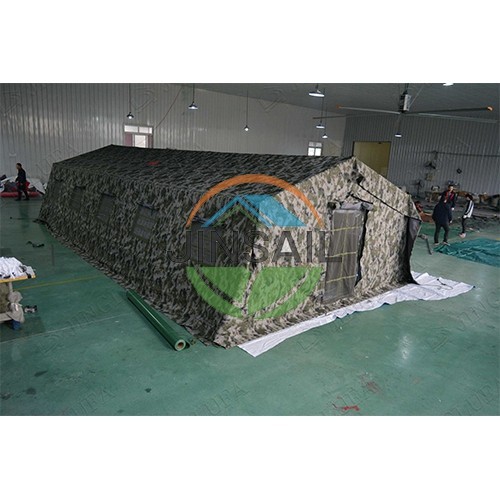
Before you even think about securing a tent, you need to pick the right one. We offer a variety of tents, like the Dutch Military Tent, Finish Military Tent in stock, and Eureka Military Tent. These tents are designed with durability in mind, but you still gotta make sure it fits your specific needs.
The size matters a lot. A tent that's too small might get overcrowded and unstable, while one that's too large can be a pain to secure. Consider the number of people or the amount of equipment that'll be inside. Also, look at the tent's construction. A solid metal frame is a must - have. It provides the structural integrity needed to handle high traffic and strong winds.
Site Selection and Preparation
Once you've got the right tent, it's time to find the perfect spot. Look for a flat area. Even a slight slope can cause the tent to lean, which is a recipe for disaster in a high - traffic area. Avoid areas with rocks, roots, or uneven ground. These can damage the tent's base and make it harder to secure.
Clear the site of any debris. You don't want sticks or leaves getting caught in the tent or causing tripping hazards. If possible, mark out the area where the tent will go. This helps you visualize the space and ensures you have enough room around the tent for easy access and movement.
Anchoring the Tent
Anchoring is the key to a secure tent. There are several ways to do this, and the method you choose depends on the type of ground you're dealing with.
Stakes
Stakes are the most common way to anchor a tent. For soft ground like grass or dirt, use long, sturdy stakes. Drive them into the ground at a 45 - degree angle away from the tent. This creates a better hold and helps prevent the tent from being pulled up. Make sure the stakes are driven deep enough. A good rule of thumb is to have at least two - thirds of the stake in the ground.
If you're in an area with rocky or hard ground, regular stakes might not work. In that case, you can use rock stakes or auger stakes. Rock stakes are designed to be hammered into hard surfaces, while auger stakes are screwed into the ground. They both provide a strong anchor point.
Sandbags
Sandbags are another great option, especially if you can't use stakes. They're heavy and can keep the tent in place. Place sandbags along the base of the tent, evenly spaced. Make sure they're tightly packed and secured to the tent using straps or ropes. You can also use water barrels instead of sandbags. They work just as well and are easier to fill and empty.
Tie - Downs
Tie - downs are ropes or straps that connect the tent to anchor points. You can attach them to the tent's corners and sides and then secure them to stakes, trees, or other fixed objects. Use strong, weather - resistant ropes or straps. Nylon ropes are a popular choice because they're strong and durable.
When using tie - downs, make sure they're taut but not too tight. You want them to be able to absorb some movement without snapping. Also, check the tie - downs regularly to make sure they're still secure.
Reinforcing the Frame
The metal frame of the tent is its backbone, so it's important to reinforce it. You can add additional support poles or braces to the frame. These can help distribute the weight evenly and prevent the frame from bending or collapsing under high traffic or strong winds.
If the tent has a peak or a ridge, you can add a center support pole. This helps keep the tent upright and stable. You can also use guy wires to support the frame. Attach them to the top of the frame and then secure them to stakes or other anchor points on the ground.
Adding Wind Protection
High - traffic areas are often exposed to the wind, so it's important to protect the tent from wind damage. One way to do this is to use windbreaks. You can set up temporary windbreaks around the tent using tarps or fencing. These help reduce the wind's impact on the tent and make it more stable.
Another option is to adjust the tent's orientation. If you know which direction the wind usually blows from, position the tent so that the wind hits the side or the back of the tent. This reduces the pressure on the front of the tent and makes it less likely to be blown over.
Regular Inspections
Securing a tent isn't a one - time thing. You need to regularly inspect the tent to make sure it's still secure. Check the stakes and tie - downs every day, especially after heavy rain, strong winds, or a lot of traffic. Make sure they're still in place and tight.
Inspect the tent's frame for any signs of damage. Look for bent or cracked metal parts. If you find any issues, fix them immediately. A small problem can quickly turn into a big one in a high - traffic area.
Staff Training
If you're using the tent for an event or a business, make sure your staff knows how to use and maintain the tent properly. Train them on how to set up the tent, anchor it, and perform regular inspections. They should also know what to do in case of an emergency, like a strong wind or a tent collapse.
Encourage your staff to report any issues they notice with the tent. Early detection of problems can prevent major disasters and keep everyone safe.
Conclusion
Securing a metal frame tent in high - traffic areas is all about choosing the right tent, preparing the site, anchoring it properly, reinforcing the frame, protecting it from the wind, and performing regular inspections. By following these tips, you can ensure that your tent stays secure and provides a safe and stable environment for everyone.
If you're in the market for a high - quality metal frame tent or need more advice on securing one, we're here to help. Contact us to discuss your specific needs and start the procurement process. We'll work with you to find the perfect tent and make sure you have all the information you need to keep it secure.
References
- Outdoor Gear Lab: Tent Reviews and Buying Guides
- REI Co - op: Tips for Setting Up and Securing Tents
- Military Tent Manufacturers Association: Best Practices for Tent Installation and Maintenance