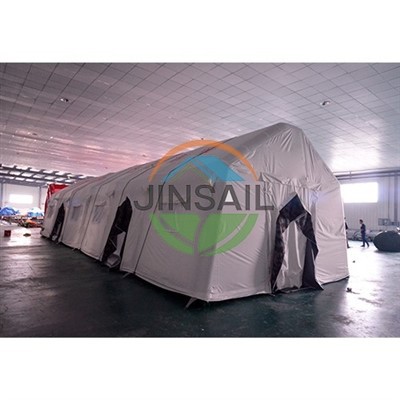


As a supplier of Toilet Low Pressure Tents, I understand the importance of maintaining these essential facilities in top - notch condition. A clean toilet tent not only ensures the health and comfort of users but also extends the lifespan of the tent itself. In this blog, I'll share some effective ways to clean a Toilet Low Pressure Tent.
Preparation Before Cleaning
Before you start the actual cleaning process, it's crucial to gather all the necessary supplies. You'll need a mild detergent, a soft - bristled brush, a bucket of warm water, a clean cloth, and a hose or pressure washer (if available). Additionally, wear appropriate protective gear such as gloves and a mask to avoid direct contact with any potentially harmful substances.
It's also a good idea to remove any loose debris from the tent. This can include leaves, dirt, or other foreign objects that may have accumulated on the surface. You can use a broom or a handheld vacuum cleaner to quickly get rid of these items.
Cleaning the Exterior
The exterior of the Toilet Low Pressure Tent is constantly exposed to the elements, so it can get dirty quite quickly. Start by hosing down the tent with a gentle stream of water to remove loose dirt and dust. This initial rinse will make the subsequent cleaning process much easier.
Next, mix a small amount of mild detergent in a bucket of warm water. Dip a soft - bristled brush into the soapy water and gently scrub the exterior surface of the tent. Pay special attention to areas that are particularly dirty, such as the bottom edges and any areas where stains may have formed. Avoid using abrasive materials or harsh chemicals, as these can damage the tent's fabric.
After scrubbing, rinse the tent thoroughly with clean water. Make sure to remove all traces of the detergent. You can use a hose or a pressure washer on a low - pressure setting for this step. Once the tent is clean, allow it to air dry completely. Avoid folding or storing the tent while it's still wet, as this can lead to mold and mildew growth.
Cleaning the Interior
The interior of the toilet tent requires extra care as it comes into direct contact with users. Begin by removing all the fixtures and accessories inside the tent, such as toilet seats, partitions, and any storage bins. Clean these items separately using the same mild detergent and warm - water solution.
For the tent's interior walls and floor, start by wiping down the surfaces with a clean cloth dampened in soapy water. This will help to remove any visible stains and dirt. If there are stubborn stains, you can use a soft - bristled brush to gently scrub them. Be careful not to scrub too hard, as this can damage the fabric.
After cleaning the interior surfaces, rinse them thoroughly with clean water. Use a mop or a cloth to soak up any excess water. It's important to ensure that the interior is completely dry before reinstalling the fixtures and accessories. You can use fans or open the tent flaps to speed up the drying process.
Disinfection
In addition to regular cleaning, disinfection is crucial to prevent the spread of germs and bacteria. Use a disinfectant solution that is suitable for the tent's fabric. You can find many commercial disinfectants on the market, or you can make your own by mixing a small amount of bleach with water.
Spray the disinfectant solution evenly over all the interior surfaces of the tent, including the walls, floor, and fixtures. Let the solution sit for the recommended amount of time specified on the product label. This will allow the disinfectant to effectively kill germs and bacteria.
After the disinfection process, rinse the surfaces again with clean water to remove any residue from the disinfectant. Make sure to dry the tent completely before using it again.
Maintenance Tips
Regular maintenance can significantly reduce the frequency and intensity of cleaning. Here are some tips to keep your Toilet Low Pressure Tent in good condition:
- Inspect Regularly: Check the tent for any signs of damage, such as tears, holes, or leaks. Repair these issues promptly to prevent further damage.
- Keep it Ventilated: Proper ventilation helps to reduce humidity inside the tent, which can prevent mold and mildew growth. Open the tent flaps whenever possible to allow fresh air to circulate.
- Store Properly: When not in use, store the tent in a dry, cool place. Make sure it's clean and dry before folding and storing it to prevent any long - term damage.
Related Products
If you're interested in other types of inflatable tents, we also offer a variety of high - quality products. For example, our Inflatable Disaster Low Pressure Tent is designed to provide emergency shelter in disaster - prone areas. Our Toilet Inflatable Tent offers a convenient and hygienic solution for outdoor events. And our Medical All in One Inflatable Tent is perfect for medical emergencies and field hospitals.
Contact for Purchase
If you're looking to purchase Toilet Low Pressure Tents or any of our other inflatable tent products, we'd love to hear from you. Our team of experts can provide you with detailed information about our products, help you choose the right tent for your needs, and offer competitive pricing. Whether you're a large - scale event organizer, a disaster - relief agency, or a medical institution, we have the solutions you're looking for.

References
- "Best Practices for Cleaning and Maintaining Inflatable Tents" - Industry - standard guide on tent maintenance.
- "Hygiene in Outdoor Sanitation Facilities" - Research on maintaining cleanliness in outdoor toilet facilities.